

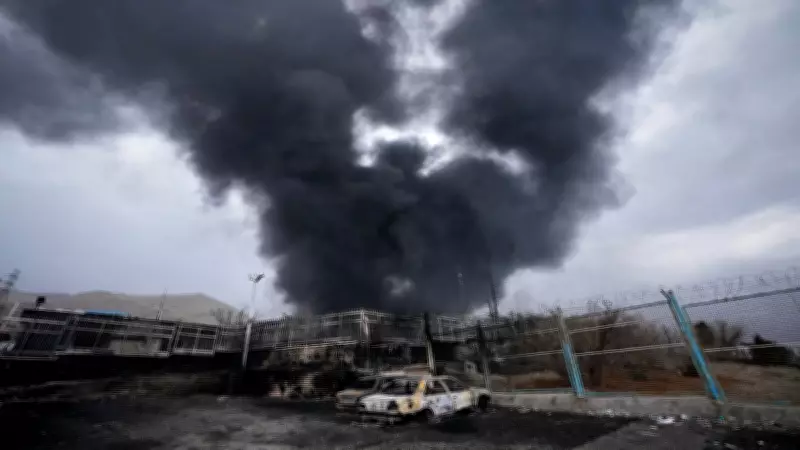
Iran-Israel Conflict Intensifies with New Missile and Drone Attacks
The ongoing conflict between Iran and Israel has escalated significantly, with fresh reports of missile strikes and drone attacks across West Asia. The situation remains volatile as hostilities continue to unfold, drawing international attention and raising fears of a broader regional war.
Latest Developments in the West Asia Conflict
According to recent updates, Iranian forces have launched a series of missile and drone assaults targeting Israeli positions and interests. These attacks have extended to critical areas, including the Strait of Hormuz, a vital maritime chokepoint for global oil shipments. The conflict, which has been simmering for months, shows no signs of abating, with both sides exchanging fire and accusations.
Israeli defense systems have reportedly intercepted several incoming threats, but some missiles have struck their intended targets, causing damage and casualties. The Iranian military has claimed responsibility for these operations, citing retaliation for previous Israeli actions in the region.

Strategic Implications and Global Reactions
The escalation in the Iran-Israel war poses significant risks to regional stability and international security. The involvement of the Strait of Hormuz is particularly concerning, as any disruption there could impact global energy markets and trade routes. Analysts warn that the conflict could spill over into neighboring countries, exacerbating tensions in the already turbulent Middle East.
In response to the latest developments, former U.S. President Donald Trump has commented on the situation, urging for a de-escalation and criticizing current diplomatic efforts. His remarks add to the political discourse surrounding the conflict, highlighting the complex international dynamics at play.
Key Factors Driving the Conflict
- Historical Rivalries: Long-standing animosities between Iran and Israel have fueled the current hostilities.
- Geopolitical Tensions: The strategic location of West Asia makes it a hotspot for power struggles.
- Military Posturing: Both nations have advanced military capabilities, leading to frequent clashes.
- International Involvement: Global powers are closely monitoring the situation, with potential implications for foreign policy.
As the conflict rages on, humanitarian concerns are mounting, with reports of civilian casualties and displacement in affected areas. The international community is calling for an immediate ceasefire and diplomatic negotiations to prevent further escalation.
Looking Ahead: Potential Scenarios
Experts suggest several possible outcomes for the Iran-Israel war:
- Continued Escalation: If no diplomatic solution is reached, the conflict could intensify, leading to more widespread violence.
- Regional Spillover: Neighboring countries might get drawn into the fray, creating a larger regional crisis.
- International Intervention: Global powers may step in to mediate or impose sanctions to curb the hostilities.
- De-escalation Efforts: Diplomatic channels could lead to a temporary truce, though lasting peace remains uncertain.
The situation remains fluid, with daily developments shaping the course of the conflict. Stakeholders are advised to stay informed as events unfold in this critical region.






