

Iran-Israel Conflict Intensifies as US Advocates for Ceasefire Amid Regional Unrest
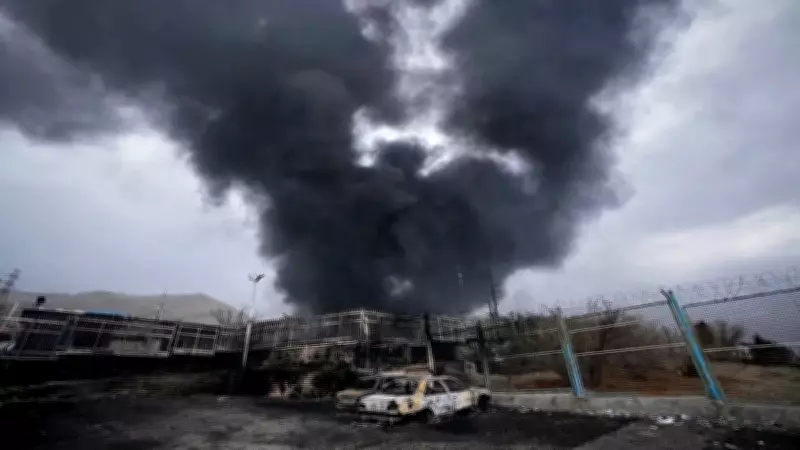
The ongoing military confrontation between Iran and Israel has escalated dramatically, drawing urgent international intervention. The United States has issued a strong appeal for an immediate ceasefire to prevent further destabilization in the Middle East. This development comes as Japanese vessels prepare to navigate the strategically vital Strait of Hormuz, a critical chokepoint for global oil shipments, underscoring the conflict's far-reaching economic implications.
Key Players and Diplomatic Maneuvers in the Crisis
High-profile figures are deeply involved in the unfolding crisis. Iranian Supreme Leader Ayatollah Ali Khamenei has reiterated Tehran's steadfast stance against Israeli actions, while Israeli Prime Minister Benjamin Netanyahu has vowed a robust response to Iranian provocations. Former US President Donald Trump has also weighed in, offering commentary that adds to the complex political dynamics. The US administration is actively engaging in diplomatic efforts to broker a truce, emphasizing the need to avert a full-scale war that could engulf the region.
Japan's Strategic Navigation Through the Strait of Hormuz
In a bold move, Japan has announced plans for its commercial vessels to cross the Strait of Hormuz, despite the heightened military tensions. This decision highlights Japan's reliance on Middle Eastern oil and its commitment to maintaining maritime trade routes. The strait, a narrow passage between the Persian Gulf and the Gulf of Oman, is a flashpoint in the conflict, with Iran previously threatening to disrupt shipping in retaliation against international pressures. Japan's action is closely monitored by global observers as a test of regional security and international navigation rights.

Economic and Global Security Implications of the Conflict
The Iran-Israel war poses significant risks to global stability. The Strait of Hormuz is a conduit for approximately one-fifth of the world's oil supply, and any disruption could trigger sharp increases in oil prices, impacting economies worldwide. Additionally, the conflict threatens to draw in other regional powers, potentially leading to a broader confrontation. The US ceasefire push is seen as a critical step to mitigate these risks, but success hinges on the willingness of both Iran and Israel to de-escalate. International bodies are calling for restraint, warning that prolonged hostilities could have devastating humanitarian and economic consequences.
Live Updates and Ongoing Developments
As the situation evolves, live updates continue to highlight key moments. Recent reports indicate increased military posturing by both Iran and Israel, with skirmishes reported along disputed borders. Diplomatic channels remain active, with the US leading negotiations to secure a temporary halt in hostilities. The involvement of figures like Trump and Netanyahu adds layers of complexity, influencing public and political perceptions. Meanwhile, Japan's vessel crossing is scheduled imminently, with security measures in place to safeguard against potential threats. The international community watches closely, hoping for a peaceful resolution to prevent further escalation in this volatile region.






