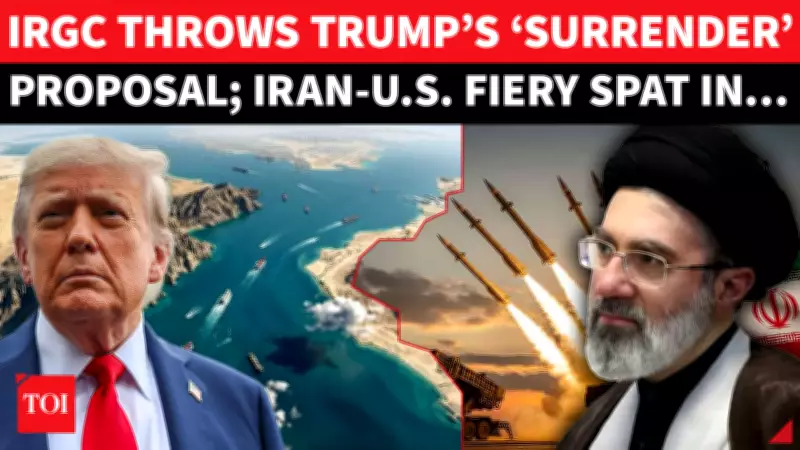
Iran has formally rejected a United States proposal for renewed peace negotiations, characterizing the offer as a demand for surrender. In a counter-response, Tehran has issued a set of stringent conditions that include war reparations, complete control over the strategic Strait of Hormuz, the lifting of all economic sanctions, and the release of frozen Iranian assets.
Trump Dismisses Iranian Demands
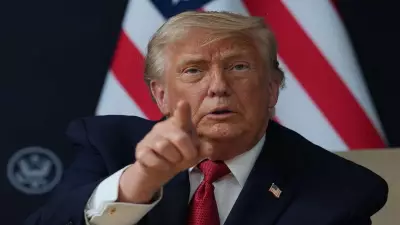
Former President Donald Trump, who had put forward the initial proposal, swiftly dismissed Tehran's response as “TOTALLY UNACCEPTABLE.” His statement, delivered via social media, has further fueled market volatility, sending global oil prices higher and reviving fears of a deeper and more protracted conflict in the Middle East.
Impact on Global Energy Markets
The ongoing crisis surrounding the Strait of Hormuz—a critical chokepoint for approximately one-fifth of the world's oil supply—continues to threaten international shipping and energy security. With Iran demanding full control over the waterway, concerns over supply disruptions have intensified, pushing crude prices upward and prompting emergency discussions among major oil-consuming nations.

Regional Tensions Remain High
Israel has issued warnings that its military operations against Iranian targets are not yet concluded, adding another layer of complexity to the already volatile situation. Meanwhile, reports of unidentified drones detected over Gulf states, including the United Arab Emirates and Kuwait, have heightened anxieties about potential escalation. Diplomatic efforts have stalled, with no clear path forward as both sides remain entrenched in their positions.
Economic Shockwaves Feared
Economists and analysts are warning of potential global economic shockwaves if the standoff continues. The combination of rising oil prices, disrupted trade routes, and geopolitical instability could trigger a broader economic downturn, affecting markets from Asia to North America. The United Nations has called for restraint and dialogue, but so far, neither Washington nor Tehran has shown willingness to compromise.
As the situation develops, the world watches closely, aware that any miscalculation could lead to a full-scale regional war with far-reaching consequences for global peace and prosperity.