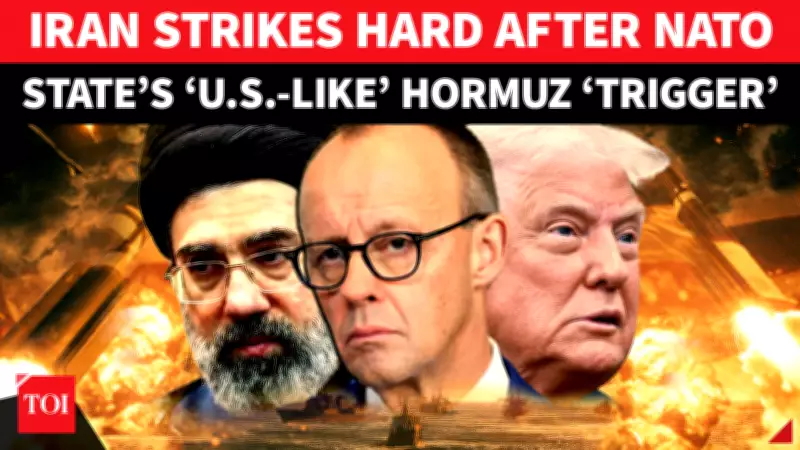
Germany has issued a strong demand for Iran to ensure unrestricted passage through the strategic Strait of Hormuz, warning of mounting threats to global energy security and regional stability. Chancellor Friedrich Merz linked the crisis to Europe's energy challenges and called for a negotiated resolution with Tehran. In response, Iran fiercely rejected the German accusations, accusing Berlin of blatant hypocrisy and double standards regarding nuclear security and international law.
Escalating Rhetoric Over Hormuz
The Strait of Hormuz, a vital chokepoint for global oil shipments, has become a flashpoint in the broader confrontation between Iran, the United States, and Israel. Germany's intervention underscores European concerns over energy supplies, especially as tensions rise over Iran's nuclear program and regional activities. Merz emphasized the need for dialogue but did not rule out further measures if Iran continues to disrupt maritime traffic.
Iran's Fierce Rejection
Iranian officials responded with sharp criticism, labeling Germany's stance as hypocritical. They pointed to what they see as European inaction on Israel's nuclear arsenal and alleged violations of international law. Tehran argued that Berlin's demands ignore Iran's sovereign rights and regional security concerns. The exchange highlights deepening divisions between Europe and Iran, with no immediate signs of de-escalation.

The standoff over Hormuz is part of a larger pattern of heightened tensions, including recent incidents involving nuclear facilities, drone strikes, and military posturing. Iran has warned that any disruption to its oil exports would have severe consequences for global markets. Meanwhile, the United States continues to pressure Iran through sanctions and diplomatic isolation, while Israel has hinted at possible preemptive strikes against Iranian nuclear sites.
Germany's involvement reflects Europe's growing unease as the crisis threatens to spiral out of control. The European Union has attempted to mediate between Iran and the West, but progress remains elusive. Analysts warn that the situation could escalate into a broader conflict, drawing in regional powers and impacting global energy prices.