

Iran Launches Major Retaliatory Strikes Against Israeli Targets
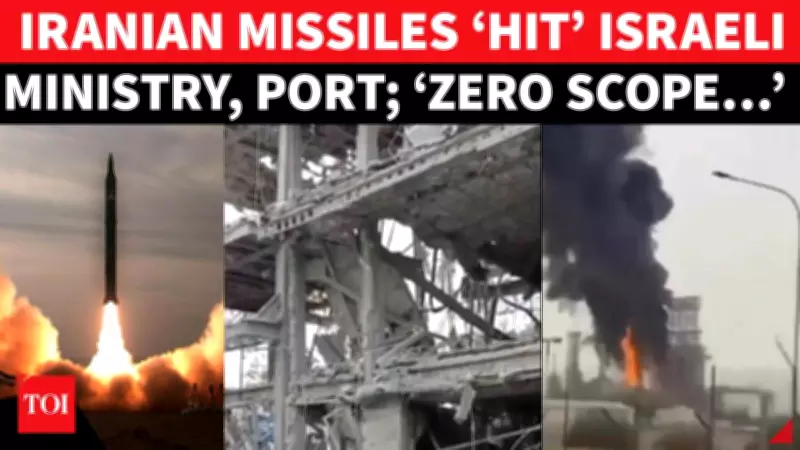
In a significant escalation of hostilities across the Middle East, Iran has executed coordinated missile strikes on three critical Israeli locations. This aggressive military action comes as a direct response to the assassination of Iranian Intelligence Minister Esmail Khatib and crew members from the Iranian destroyer Dena. The targeted sites include the Israeli Ministry of National Security in Jerusalem, the Channel 13 media office in Tel Aviv, and a strategic military base along the volatile Syria-Lebanon border.
Immediate Aftermath and Regional Impact
As the strikes unfolded, visible plumes of smoke were reported rising from oil refineries in the port city of Haifa following a confirmed missile impact. Initial assessments indicate no immediate casualties from this incident, but the attack underscores the severe threat to vital infrastructure in the region. The conflict's expansion is not limited to military and governmental targets; it is also taking a toll on media personnel operating in conflict zones.
Journalists Caught in the Crossfire
The war's broadening scope has directly affected international journalists. RT correspondent Steve Sweeney and his cameraman sustained injuries during an Israeli airstrike in southern Lebanon. This incident highlights the increasing dangers faced by reporters covering the intensifying hostilities, as the conflict spills over borders and draws in various actors across the Middle East.

Iran's Justification and Strategic Messaging
Iranian state media has explicitly framed these strikes as a retaliatory measure for the killing of Minister Khatib, a key figure in Iran's intelligence apparatus. The destruction of the Dena destroyer crew further fueled Tehran's resolve to respond with force. This development marks a dangerous new phase in the ongoing regional tensions, with Iran demonstrating its willingness to target both Israeli security installations and symbolic civilian sites like media offices.
The situation remains fluid, with potential for further escalation as both nations and their allies assess the damage and consider next steps. The international community watches closely as this conflict threatens to destabilize an already volatile region, with implications for global security and energy markets.






