

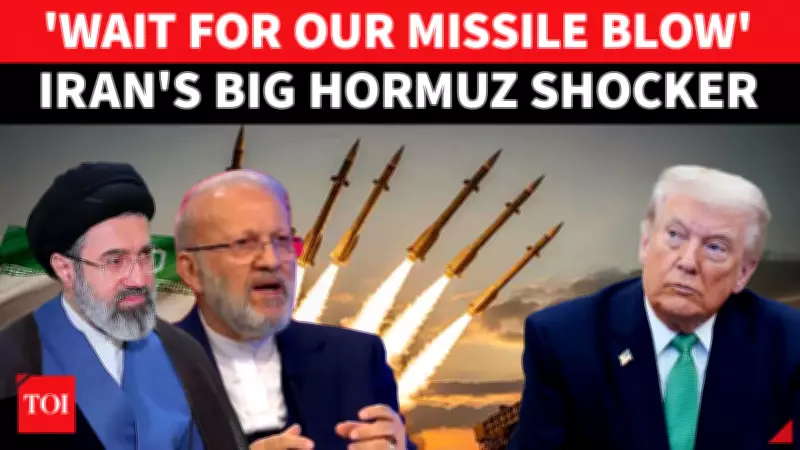
Iran has escalated tensions in the Strait of Hormuz, with a senior lawmaker confirming that the Iranian Army and Navy fired warning shots at U.S. naval vessels this week. Manouchehr Mottaki, a prominent Iranian lawmaker, stated that the shots were intended as "near-miss" warnings but made clear that any future engagement would result in direct hits.
Iran's Bold Stance on Hormuz
Mottaki described the Strait of Hormuz as an "absolute red line" for Tehran, openly daring the United States to continue its naval blockade. Iran is now signaling its readiness for a wider war to maintain control over the world's most vital oil artery. The move marks a shift from a "shadow war" to direct fire engagement.
US Operations Under Threat
The Iranian official trashed U.S. operations in the region, vowing military strikes if American forces persist. This development comes amid rising tensions between the two nations, with Iran rejecting any form of intimidation. The Strait of Hormuz is a critical chokepoint for global oil shipments, and any disruption could have severe economic consequences.

Tehran's new plan appears designed to outmaneuver former U.S. President Donald Trump, who had previously imposed harsh sanctions and military pressure on Iran. By directly challenging the U.S. Navy, Iran aims to assert its dominance in the region and deter any further aggression.
Global Reactions and Implications
The international community is closely watching the situation, as any conflict in the Strait of Hormuz could trigger a broader war. Oil prices have already spiked in response to the news, and shipping companies are considering alternative routes. Iran's military has been on high alert, with the Islamic Revolutionary Guard Corps (IRGC) deploying fast attack boats and other assets to the area.
Analysts warn that the situation could spiral out of control, especially if the U.S. responds with force. The White House has yet to issue an official statement, but sources indicate that military options are being reviewed. Meanwhile, Iran continues to emphasize that it will not back down, calling the Strait a matter of national security.
Historical Context
The Strait of Hormuz has been a flashpoint for decades, with Iran frequently threatening to close it in response to sanctions or military pressure. The latest escalation follows a series of incidents, including attacks on oil tankers and the downing of a U.S. drone. Iran's new stance suggests a more aggressive posture, possibly aimed at forcing negotiations on its terms.
As the world watches, the risk of miscalculation remains high. Both sides have powerful militaries, and any exchange of fire could quickly escalate. For now, Iran has drawn a clear line, and the ball is in Washington's court.






