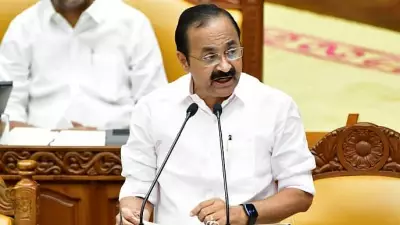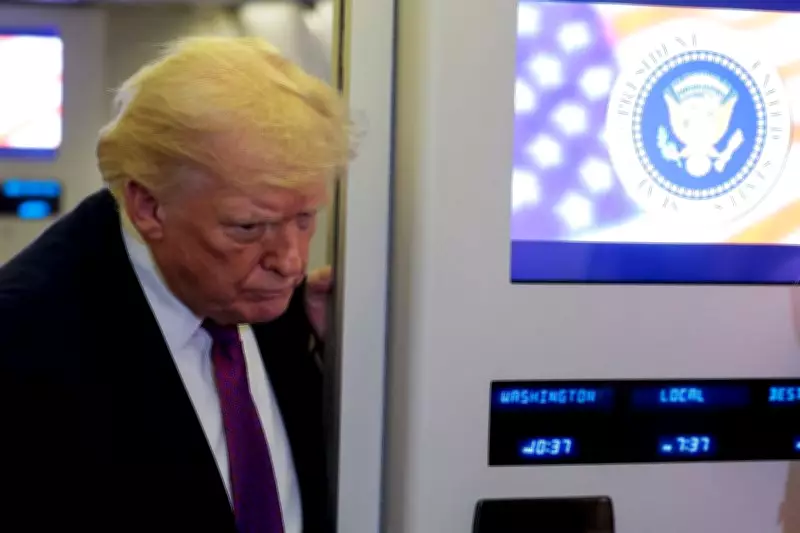
Iran has intensified its diplomatic push for an end to the ongoing conflict within 30 days, as US President Donald Trump expressed doubts about the feasibility of such a timeline. The Iranian government, through its foreign ministry, has been engaging with international partners to secure a ceasefire and halt military operations. This initiative comes amid escalating tensions in the region, with both sides facing mounting pressure from domestic and international actors.
Iran's Diplomatic Offensive
In recent days, Iranian officials have held a series of meetings with representatives from the United Nations, European Union, and neighboring countries to garner support for a 30-day truce. The proposal aims to create a window for negotiations and humanitarian aid delivery. Iran's foreign minister stated, "We believe a swift end to hostilities is in the interest of all parties. The 30-day period is a realistic timeframe to achieve a sustainable ceasefire."
Trump's Skepticism
However, President Trump, in a press conference, cast doubt on Iran's intentions. He remarked, "I have heard these promises before. Thirty days seems too optimistic given the circumstances. We need to see concrete actions, not just words." The US administration has been cautious about engaging in direct talks with Iran, preferring to maintain pressure through sanctions and military deterrence.

International Reactions
The international community remains divided. European nations have welcomed Iran's proposal as a step toward de-escalation, while Israel and Gulf states have expressed reservations, citing Iran's regional proxies and missile program. Russia and China have called for restraint and supported diplomatic efforts. The UN Secretary-General urged both sides to seize the opportunity for peace.
Humanitarian Concerns
The conflict has taken a heavy toll on civilians, with thousands displaced and critical infrastructure damaged. Aid agencies have appealed for unimpeded access to affected areas. A 30-day ceasefire would allow for the delivery of food, medicine, and other essentials. The Iranian proposal includes provisions for humanitarian corridors and prisoner exchanges.
Challenges Ahead
Despite the diplomatic push, significant hurdles remain. Iran demands an end to all sanctions as part of any agreement, a condition the US finds unacceptable. Additionally, the role of Iran-backed militias in Iraq, Syria, and Yemen complicates negotiations. Analysts warn that without a comprehensive framework, a temporary truce may collapse.
As the 30-day deadline approaches, all eyes are on Washington and Tehran. The coming weeks will test whether diplomacy can prevail over military confrontation. The outcome will have profound implications for regional stability and global security.