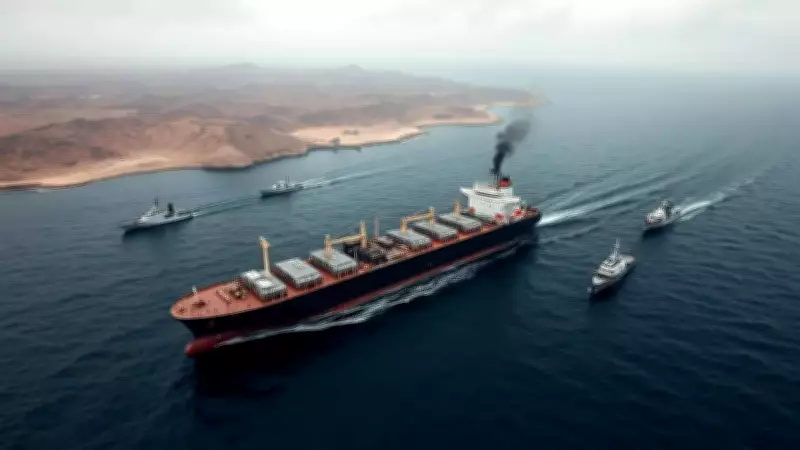
NEW DELHI: Amid reports that Iran and the United States would be returning to the negotiating table after weeks of deadlock to try and end the war, which has disrupted the transit of ships through the Strait of Hormuz, officials said an early resolution of the conflict would come as a huge relief for more than 40 India-bound vessels and the large number of Indian crew members who have been stuck in the Persian Gulf for over two months. These vessels are carrying liquefied petroleum gas (LPG), liquefied natural gas (LNG), crude oil, fertilisers, and other cargo.
Stranded Ships and Cargo
The government has stated that 13 Indian-flagged ships are still in the Persian Gulf. Several foreign-flagged vessels carrying India-bound cargo are also stranded to the west of Hormuz. The government has drawn up a list of 41 priority vessels for evacuation — 18 are loaded with energy products, another 16 are carrying fertilisers, and the remaining seven have other items. There is a dire need to evacuate these ships for energy security and to meet fertiliser requirements, which will increase for the sowing of kharif crops.
Efforts for Resolution
Officials said that while efforts are on to persuade shipping lines to send their vessels back to the Persian Gulf, and a list of over 22 such energy vessels has been made and shared with concerned agencies, there cannot be any movement until the strait is open for commercial traffic. On April 30, TOI had reported that the Union shipping ministry shared a list of India-bound priority vessels with the Ministry of External Affairs, suggesting the option of evacuating them through the territorial waters of Oman.

“Not just us, every country impacted due to this blockade is waiting for and hopeful of an early resolution,” said an official.
About the Author
Atul Mathur is a Senior Assistant Editor at The Times of India with over 27 years of experience in journalism. Based in Delhi, he has spent much of his career reporting on governance, public policy, and politics, churning out researched, data-driven stories that impact daily lives. Atul is known for investigative depth and strong human-interest narratives as he strives to bring clarity and context to complex issues. He currently tracks the energy sector, writing on power, renewable energy, coal, and mines.