

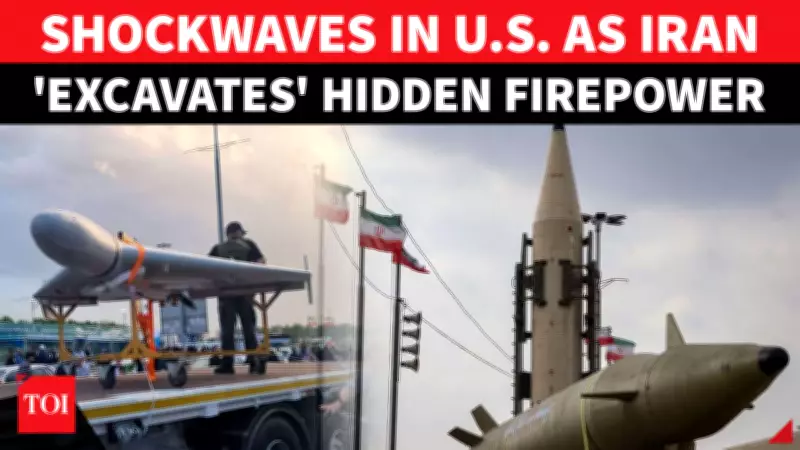
A recent report by NBC News has sparked fresh concerns over Iran's activities during the ceasefire with the United States. Citing US officials, the report claims that Tehran is using the truce to recover buried weapons and rebuild its drone and missile arsenal, following recent US-Israeli strikes. The development comes as former President Donald Trump prepares to meet his national security team to weigh options on Iran, including possible military action, control of the Strait of Hormuz, and eliminating Iran's nuclear capabilities. The US continues to maintain a naval blockade and economic pressure, even as the ceasefire has been extended indefinitely.
Details of the Report
According to the report, US intelligence indicates that Iran has been secretly retrieving hidden missile components and drone technology from underground storage sites. These assets were reportedly buried before the strikes to protect them from aerial attacks. The recovery efforts are believed to be part of a broader strategy to replenish Iran's military capabilities, which were significantly degraded by the US-Israeli offensive.
US Response and Options
Trump's upcoming meeting with his national security team is expected to discuss a range of options, from diplomatic measures to military intervention. Key topics include tightening the naval blockade in the Strait of Hormuz, a critical chokepoint for global oil shipments, and potentially launching strikes to eliminate Iran's nuclear facilities. The US has also maintained economic sanctions, aiming to pressure Tehran into compliance.

Ceasefire Status
The ceasefire, initially agreed upon to de-escalate tensions, has been extended indefinitely. However, the latest revelations have raised doubts about its effectiveness. US officials have expressed concern that Iran is using the pause in hostilities to rearm, potentially undermining future peace efforts. Meanwhile, Iran has denied the allegations, calling them baseless propaganda aimed at justifying further aggression.
Regional Implications
The situation has heightened anxiety across the Middle East. Allies of the US, including Israel and Saudi Arabia, have called for a robust response to prevent Iran from regaining its military strength. On the other hand, Russia and China have urged restraint and a return to diplomatic negotiations. The international community remains divided, with the UN Security Council scheduled to hold an emergency session to discuss the matter.
As the standoff continues, the world watches closely to see whether the ceasefire will hold or if the region will slide back into conflict. The coming days are critical, as Trump's decision could shape the geopolitical landscape for years to come.






