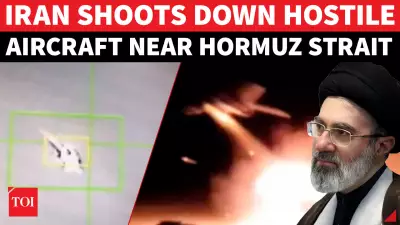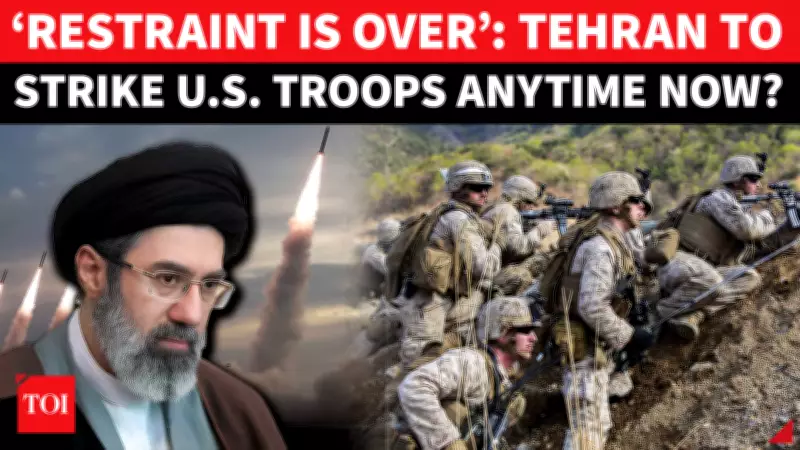
Iran has issued a stark warning to the United States, vowing heavy retaliation against American vessels and military bases if its shipping is targeted. National security spokesman Ebrahim Rezaei declared that 'Tehran's restraint is over' and that any American move against Iranian ships will be met with direct strikes on U.S. vessels and bases. Rezaei called on Washington to 'surrender and concede' and warned regional allies about passing through the Strait of Hormuz. He emphasized that the old rules of engagement are dead and a 'new regional order' has arrived, backed by the threat of heavy retaliation.
Escalation of Tensions
The statement comes amid heightened tensions in the Persian Gulf, where Iranian fast boats have been seen swarming a U.S. warship. New footage shows the aggressive maneuvers, which have raised concerns about a potential confrontation. Iran has also threatened a 'heavy assault' on U.S. bases, with drones and missiles reportedly locked onto targets.
Regional Implications
The Strait of Hormuz, a critical chokepoint for global oil shipments, remains a flashpoint. Iran has warned regional allies to avoid the area, suggesting that any provocation could lead to a broader conflict. The situation has drawn international attention, with analysts warning that a miscalculation could trigger a major escalation.

International Reactions
The U.S. has not yet officially responded to Iran's latest threats, but military officials have reiterated their commitment to protecting freedom of navigation. Meanwhile, other nations in the region are urging restraint and calling for diplomatic solutions. The United Nations has expressed concern over the rising rhetoric and urged both sides to de-escalate.
As the crisis deepens, the world watches closely. Iran's declaration of a new regional order signals a shift in its strategic posture, one that could have far-reaching consequences for global security and energy markets.