

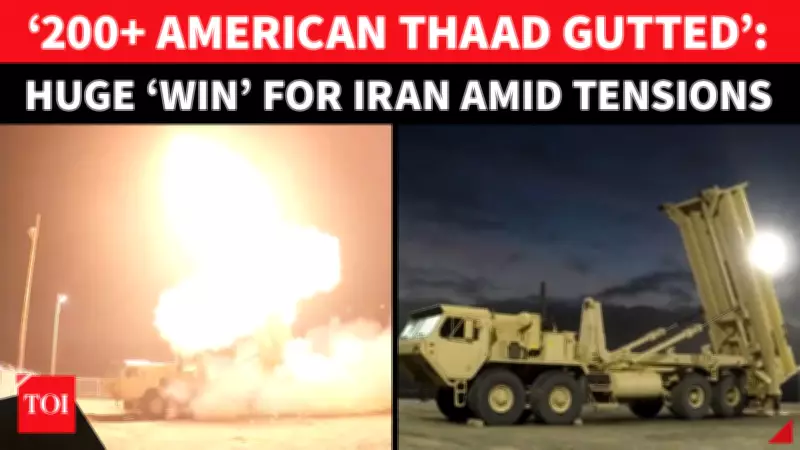
A shocking Pentagon assessment has revealed the massive strain the Iran war has placed on the U.S. military’s missile-defense arsenal. According to a report by The Washington Post, the United States fired more than 200 THAAD interceptors and over 100 SM-3 and SM-6 missiles to help defend Israel against Iranian attacks.
Depletion of Advanced Interceptors
The report warns that the back-to-back conflicts with Iran have depleted a major portion of America’s advanced interceptor inventory. This depletion raises serious concerns about U.S. military readiness in Asia and beyond. With production delays slowing replenishment efforts, fears are growing over Washington’s ability to respond to future threats from China, North Korea, or a renewed Iran conflict.
Production Delays and Future Threats
The Pentagon now faces a costly reality check as it scrambles to rebuild its missile-defense stockpile. The war has highlighted vulnerabilities in the U.S. defense posture, particularly in the Indo-Pacific region where China’s missile capabilities are expanding. Defense analysts warn that the current rate of interceptor production is insufficient to meet potential future demands.

Strategic Implications
The depletion of THAAD and SM-series missiles could embolden adversaries. The U.S. may need to reconsider its force posture and invest heavily in accelerating production lines. The situation underscores the high cost of prolonged military engagements and the need for a sustainable defense industrial base.






