

Iran Issues Dire Warnings of Missile Strikes on US and Israeli Power Plants
In a significant escalation of regional tensions, Iran has issued explicit warnings of potential ballistic missile strikes targeting power plants in the United States and Israel. This aggressive rhetoric from Tehran comes amidst a backdrop of heightened military posturing and recent attacks that have further destabilized the volatile Middle East landscape.
Tehran's Stark Threats and Strategic Focus
The Iranian government, through official channels, has articulated a clear and menacing stance, indicating its capability and willingness to launch precision missile attacks on critical energy infrastructure belonging to its perceived adversaries. These threats are not isolated but are part of a broader pattern of Iranian assertiveness in response to ongoing geopolitical friction.
Of particular concern is the emphasis on the Strait of Hormuz, a vital maritime chokepoint through which a substantial portion of the world's oil shipments transit. Iranian officials have hinted at the possibility of disrupting this crucial waterway, a move that could have catastrophic implications for global energy markets and international trade flows.

Context of Recent Attacks and Regional Flashpoints
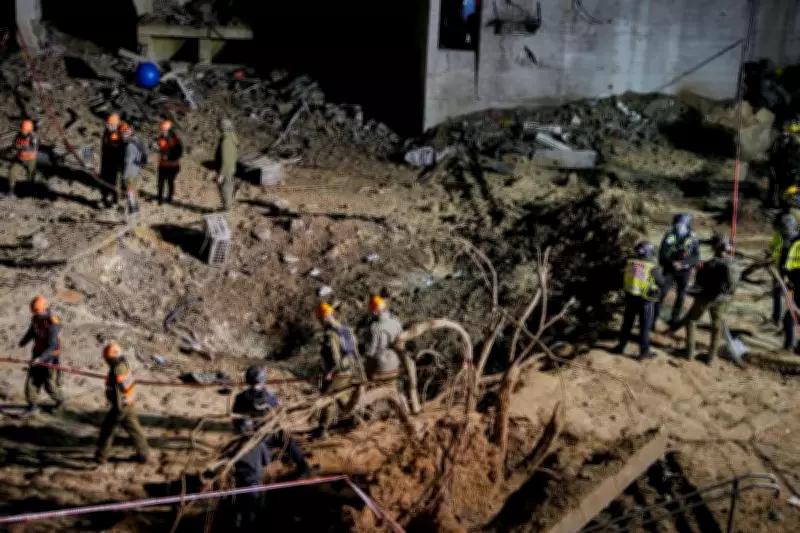
This latest wave of warnings follows a series of recent hostile incidents and attacks in the region, which have contributed to an atmosphere of acute crisis. The situation remains fluid and highly unpredictable, with the potential for miscalculation leading to a wider conflagration.
The involvement of key regional players, including Dubai and Qatar, adds another layer of complexity to the unfolding drama. These nations, while not directly implicated in the threats, find themselves in close proximity to the epicenter of the tensions, raising concerns about collateral damage and regional spillover effects.
International Reactions and the Path Forward
The international community is watching these developments with growing apprehension. The explicit nature of Iran's threats against US and Israeli assets represents a dangerous provocation that demands a calibrated and firm response to deter further aggression.
The current crisis underscores the fragile security architecture in the Middle East and the ever-present risk of a major military confrontation. Diplomatic efforts to de-escalate the situation are urgently needed to prevent a slide into a full-scale conflict with devastating consequences for regional and global stability.






