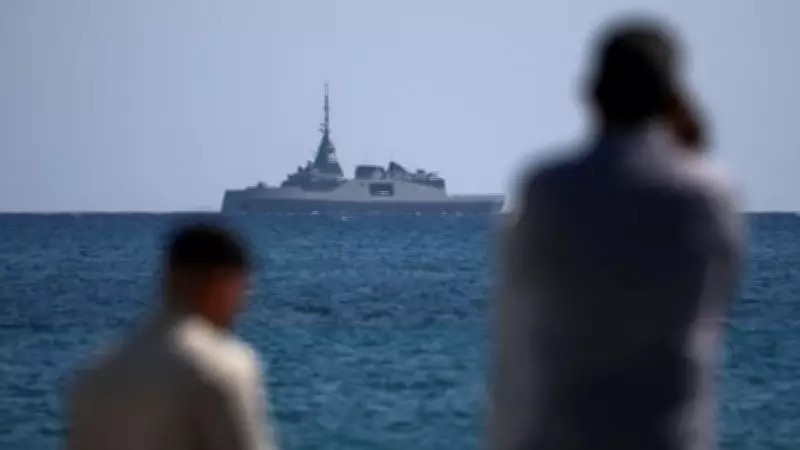
Iranian Ship Allegedly Targeted by Submarine Near Sri Lankan Waters
In a development that has heightened tensions in the volatile West Asia region, an Iranian ship was reportedly struck by a submarine off the coast of Sri Lanka, as per a recent media report. This incident underscores the escalating maritime conflicts that are increasingly spilling over into international waters, posing significant risks to global trade and security.
Details of the Reported Attack
The attack is said to have occurred in the waters near Sri Lanka, a strategic location in the Indian Ocean that serves as a crucial shipping lane for global commerce. According to the report, the Iranian vessel was targeted by a submarine, though the exact identity of the submarine and the specific motives behind the attack remain unclear at this time. Initial assessments suggest this could be linked to ongoing geopolitical rivalries in West Asia, where Iran is often at odds with other regional powers and their allies.
This event marks a concerning escalation in maritime hostilities, as submarine attacks are relatively rare and indicate a higher level of military engagement. The Iranian ship's condition and any potential casualties have not been fully disclosed, but such incidents typically involve significant damage and raise alarms about the safety of seafarers and vessels in the area.

Broader Implications for Regional and Global Security
The strike off Sri Lanka's coast is not an isolated event but part of a wider pattern of conflicts in West Asia, which have been intensifying in recent years. These tensions often involve proxy wars, economic sanctions, and military confrontations that can quickly spread beyond regional borders. The involvement of a submarine suggests that state actors or well-equipped non-state groups may be behind the attack, potentially complicating diplomatic efforts to de-escalate the situation.
Maritime security experts warn that such incidents could disrupt vital shipping routes, leading to increased insurance costs and delays in global trade. Sri Lanka, as a key transit point, might face heightened scrutiny and pressure to enhance its naval patrols and surveillance capabilities to prevent further attacks in its waters.
International Reactions and Future Outlook
While official statements from Iran, Sri Lanka, or other involved parties are still pending, this report is likely to draw swift international attention. Countries with interests in the region, including major powers, may call for investigations and urge restraint to avoid a broader conflict. The United Nations and other global bodies might also step in to mediate and address the security threats posed by such maritime aggressions.
Looking ahead, this incident could prompt increased military presence in the Indian Ocean, as nations seek to protect their shipping interests. It also highlights the need for enhanced cooperation on maritime security protocols to prevent similar attacks in the future. As tensions in West Asia show no signs of abating, the world will be closely monitoring developments to assess the long-term impact on regional stability and international relations.