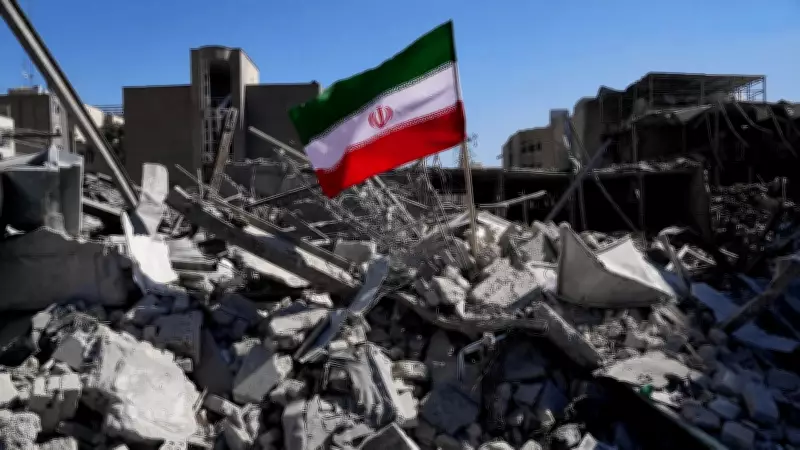
Iran's Calculated Survival Strategy: Escalating Costs to Force U.S. Withdrawal
In the face of escalating tensions with the United States and Israel, the Islamic Republic of Iran has adopted a clear and calculated survival strategy. According to recent analyses, Iran's primary objective is to endure the conflict by making the war prohibitively expensive for President Trump. The regime aims to achieve this by increasing American casualties, inflating military expenditures, and exacerbating economic pressures such as inflation, ultimately hoping to persuade Trump to declare victory and withdraw forces.
Expanding the Battlefield: A Regional Approach
Faced with the overwhelming military superiority of the U.S. and Israel, Iran is not limiting its defensive efforts to its own borders. Instead, analysts report that Tehran is actively working to enlarge the battlefield across the broader Middle East region. This strategic expansion is designed to mitigate direct confrontations while maximizing disruption to adversaries.
Key tactics in this regional approach include:

- Targeting Oil and Gas Infrastructure: Iran plans to damage critical energy facilities in neighboring countries, aiming to cripple the Persian Gulf's oil production capabilities.
- Closing the Strait of Hormuz: By potentially shutting this vital shipping lane, Iran seeks to block a significant portion of global oil exports, directly impacting international trade.
- Curtailing Air Traffic: Disrupting aviation in the region could further isolate economic activities and increase logistical challenges for opposing forces.
Economic Warfare: Driving Up Global Energy Prices and Inflation
The broader goal of Iran's regional escalation is to inflict severe economic damage. By disrupting oil and gas supplies from the Persian Gulf, Iran intends to spike global energy prices. This, in turn, could lead to heightened inflation worldwide, particularly affecting economies reliant on stable energy markets. Such economic turmoil would not only strain the U.S. economy but also create political pressure on the Trump administration to reconsider its military engagement.
Analysts emphasize that this strategy is a deliberate attempt to leverage economic vulnerabilities as a form of asymmetric warfare, compensating for Iran's conventional military disadvantages.
Exhausting Enemy Defenses: The Missile Interceptor Factor
In addition to economic tactics, Iran is reportedly focusing on military attrition. The country plans to launch numerous missile attacks, forcing the U.S. and Israel to expend their expensive missile interceptors. Over time, this could deplete enemy defense systems, making them more vulnerable and increasing the long-term costs of maintaining security in the region.
This multi-faceted approach underscores Iran's determination to survive by transforming the conflict into a war of attrition, where the escalating human, financial, and economic costs might compel Trump to seek a diplomatic exit rather than prolonged military engagement.