

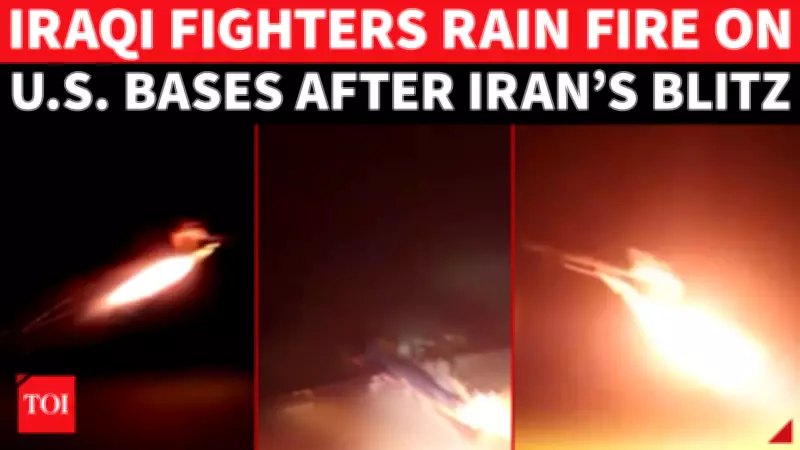
Iraqi Resistance Intensifies Drone Campaign Against US and Israeli Targets
The Islamic Resistance in Iraq has significantly escalated its military operations, launching a series of coordinated drone strikes against United States and Israeli assets throughout the region. The group has released dramatic video footage showcasing these attacks, which they describe as direct retaliation for ongoing strikes targeting Iran.
Escalating Conflict and Retaliatory Threats
This intensification of hostilities comes alongside explicit warnings from Harakat Hezbollah al-Nujaba, a prominent faction within the Iraqi resistance. The group has issued threats against prominent Western and Israeli leaders, including former US President Donald Trump and Israeli Prime Minister Benjamin Netanyahu.
The resistance has declared that if Iranian facilities are targeted, they will launch widespread attacks on critical energy infrastructure across West Asia. This represents a significant escalation in rhetoric and potential operational planning, moving beyond military targets to include economic assets.

Regional Tensions at Boiling Point
The drone blitz and subsequent threats occur against a backdrop of heightened regional tensions. The conflict has drawn in multiple state and non-state actors, with Iran facing increased military pressure from the United States and Israel.
The Islamic Resistance in Iraq, which maintains close ties with Tehran, has positioned itself as a key player in this broader confrontation. Their ability to conduct drone strikes against sophisticated military targets demonstrates growing capabilities among Iran-aligned groups in the region.
Implications for Regional Security
This development carries serious implications for regional stability and global energy markets. The specific threat to energy infrastructure suggests a strategic shift toward economic warfare, potentially affecting oil and gas production and transportation across West Asia.
The situation remains fluid and volatile, with all parties demonstrating increased willingness to employ military force. The coming days will likely reveal whether these threats materialize into concrete actions, potentially triggering a new phase in the ongoing regional conflict.






