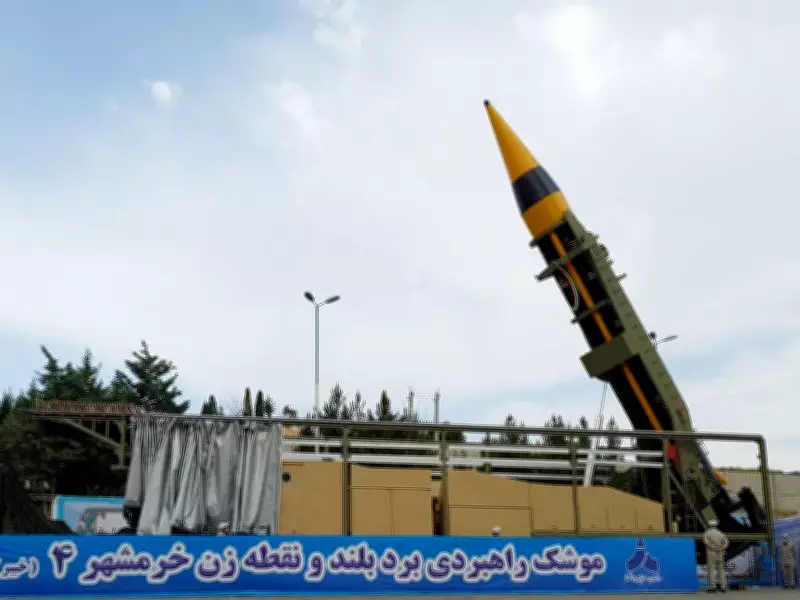
IRGC Escalates Conflict with Tenth Missile Wave Targeting Tel Aviv
In a significant escalation of hostilities, the Islamic Revolutionary Guard Corps (IRGC) of Iran has launched its tenth wave of missile attacks targeting the city of Tel Aviv in Israel. This latest barrage marks a continued and intensified effort by Iranian forces to strike Israeli territory amid ongoing regional tensions.
Israeli Retaliation Eliminates Top Iranian Intelligence Officials in Tehran
In a swift and decisive response, Israel conducted a targeted strike in Tehran, successfully eliminating several high-ranking Iranian intelligence officials. This operation is seen as a direct retaliation to the IRGC's missile attacks and represents a bold move by Israel to counter Iranian aggression on its own soil.
The strike in Tehran specifically focused on key figures within Iran's intelligence apparatus, who are believed to have been instrumental in planning and executing the missile campaigns against Israel. This action underscores Israel's strategy of preemptive and retaliatory measures to neutralize threats from Iranian operatives.

Details of the IRGC's Missile Campaign
The IRGC's tenth missile wave involved the deployment of multiple projectiles aimed at Tel Aviv, Israel's economic and cultural hub. While specific details on the types of missiles used and exact damage assessments remain under scrutiny, initial reports indicate that Israeli defense systems, including the Iron Dome, were activated to intercept incoming threats.
This series of attacks is part of a broader pattern of Iranian military posturing in the region, with previous waves having targeted various locations in Israel over recent months. The IRGC has consistently framed these actions as responses to perceived Israeli provocations and support for adversarial groups in the Middle East.
Implications for Regional Security and International Relations
The simultaneous events of the IRGC's missile launch and Israel's strike in Tehran have heightened fears of a wider conflict erupting in the Middle East. Analysts warn that such direct engagements between Iran and Israel could draw in other regional actors and complicate diplomatic efforts to de-escalate tensions.
International observers are closely monitoring the situation, with calls for restraint from global powers. The United Nations and other international bodies have expressed concern over the potential for further violence and the impact on civilian populations in both countries.
This development also raises questions about the future of nuclear negotiations and regional stability, as Iran and Israel continue to engage in overt military actions against each other. The elimination of top intelligence officials in Tehran may prompt Iran to reconsider its strategic calculations and response mechanisms.
Background and Context of the Iran-Israel Conflict
The conflict between Iran and Israel has deep historical roots, characterized by proxy wars, cyber attacks, and direct military confrontations. Iran's support for groups like Hezbollah and Hamas has long been a point of contention, with Israel viewing these entities as threats to its security.
In recent years, tensions have escalated due to incidents such as the assassination of Iranian nuclear scientists, which Iran attributes to Israel, and Israeli strikes on Iranian assets in Syria. The current exchange of missile attacks and targeted strikes represents a new phase in this ongoing rivalry, moving beyond proxy engagements to more direct state-on-state conflict.
As both nations assess the aftermath of these events, the risk of miscalculation and further escalation remains high. The international community is urged to play a proactive role in mediating disputes and preventing a full-scale war that could destabilize the entire region.