Suicide Bombing at Islamabad Shia Mosque Leaves 31 Dead, 169 Injured
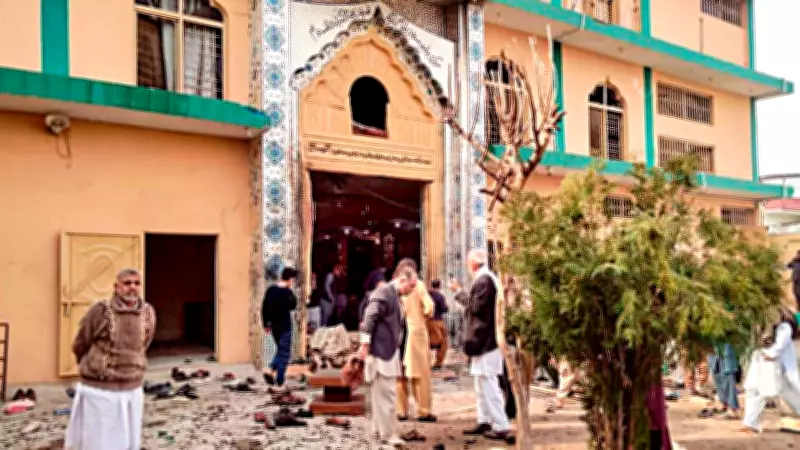
A devastating suicide bombing struck the Khadijatul Kubra mosque-cum-imambargah in Islamabad's Tarlai area during Friday prayers, resulting in the deaths of at least 31 individuals and injuries to 169 others. The attack, which sent shockwaves through the capital, occurred as worshippers gathered for religious services, marking a severe escalation in violence in the region.
Details of the Attack and Immediate Aftermath
According to police reports, the attacker was intercepted at the gate of the imambargah but detonated an explosive device after opening fire. The powerful blast was audible from a considerable distance, with television footage depicting a scene of chaos: bodies scattered amidst shattered glass and debris within the mosque complex. Rescue operations were swiftly initiated, involving police, Rescue 1122 personnel, army troops, and Rangers, who cordoned off the area to secure the site and assist victims.
An emergency was declared at hospitals across Islamabad, including the Pakistan Institute of Medical Sciences (PIMS), to accommodate and treat the injured. Authorities have confirmed that the explosion appears to be a suicide attack, and investigations are currently underway to determine the full scope and perpetrators of this heinous act.

Context and Political Condemnation
This tragic incident comes less than three months after a suicide blast outside a court in Islamabad, highlighting a concerning pattern of violence in the city. Notably, the attack coincided with the ongoing state visit of Uzbek President Shavkat Mirziyoyev, adding a layer of diplomatic sensitivity to the situation. No group has claimed responsibility for the bombing as of now, though police sources have indicated that the attacker was a foreign national linked to Fitna al Khwaraji, a term associated with the Tehreek-e-Taliban Pakistan (TTP).
In response to the attack, Pakistani leaders, including President Asif Ali Zardari and Prime Minister Shehbaz Sharif, have issued strong condemnations. They described the bombing as a crime against humanity and an assault on places of worship, emphasizing the need for unity and resilience in the face of terrorism. The international community is closely monitoring the developments, with calls for enhanced security measures and thorough investigations to prevent future atrocities.
The aftermath of the blast has left the local community in mourning, with residents gathering at the site to pay their respects and demand justice. This event underscores the persistent threat of terrorism in Pakistan and the urgent need for comprehensive strategies to protect civilians and maintain peace.