

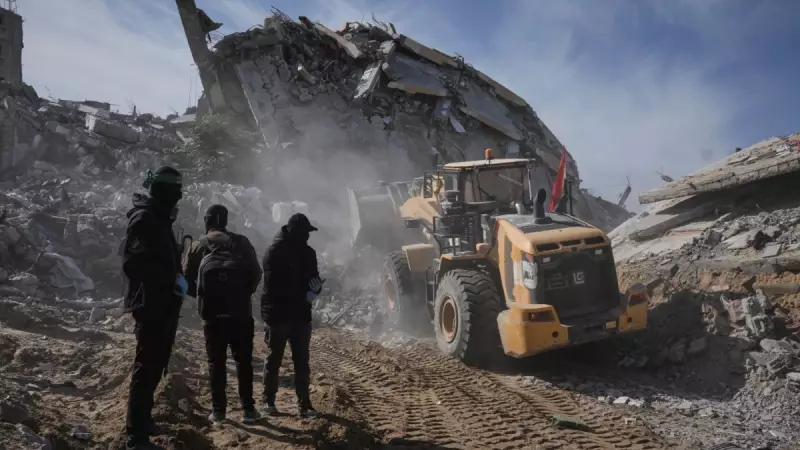
The Israeli military launched a series of airstrikes in the southern Gaza city of Rafah early on December 4, 2025, resulting in the deaths of at least five people. The strikes mark a significant escalation in the ongoing conflict and come with a stern warning from Israeli leadership.
Netanyahu's Stern Warning and Military Action
Israeli Prime Minister Benjamin Netanyahu issued a clear and forceful statement following the operation. He declared that Israel "will not tolerate the harming of its citizens" and emphasized a policy of zero tolerance towards any aggression. The airstrikes were reportedly a direct response to rocket fire launched from the Gaza Strip towards Israeli territory earlier in the day.
The Israeli Defence Forces (IDF) confirmed targeting what they described as Hamas military infrastructure and operatives in the Rafah area. Palestinian health officials reported that the strikes hit a residential building, leading to the fatalities and several injuries. Emergency services worked to retrieve victims from the rubble.

Details of the Rafah Strikes and Regional Context
The specific location of the attack was in the Tel al-Sultan neighborhood, west of Rafah. This area had seen a major influx of displaced Palestinians seeking shelter from fighting in other parts of Gaza. The timing and location have raised immediate concerns about civilian casualties in a densely populated zone.
This incident represents the most serious flare-up in violence between Israel and Hamas in recent months. It shatters a period of relative, though tense, calm and threatens to derail fragile regional diplomacy. The attack underscores the volatile and unresolved nature of the conflict, with both sides demonstrating a readiness to respond forcefully to provocations.
Implications and the Path Forward
The immediate consequence has been a renewed cycle of violence, with fears of further retaliatory strikes. International observers are likely to call for immediate de-escalation to prevent a full-scale resurgence of hostilities. The event puts immense pressure on mediators from Egypt and Qatar, who have been instrumental in brokering previous ceasefires.
For the people of Gaza, already suffering from a severe humanitarian crisis, the airstrikes mean more loss of life, destruction of property, and deepening trauma. For Israel, the action reinforces its stated red lines regarding security threats from Gaza. The situation remains fluid, with global powers closely monitoring for any signs of the conflict spreading or intensifying further in the coming days.






