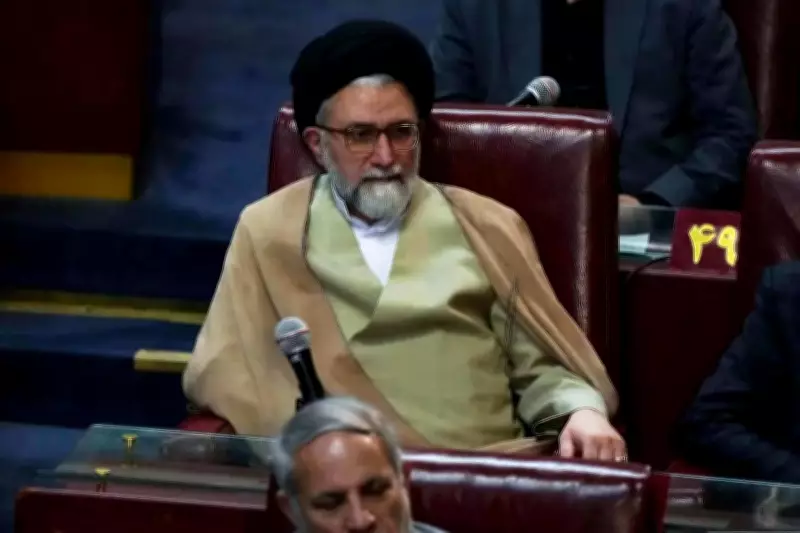
Israel Claims Assassination of Iran's Intelligence Minister, Expands Military Mandate
In a significant escalation of hostilities, Israel's Defense Minister Israel Katz announced on Wednesday that Israeli forces have killed Iran's intelligence minister, Esmail Khatib. Katz further declared that the military now holds authorization to "eliminate" any senior Iranian official without requiring additional approval, marking a bold shift in operational strategy.
Third High-Profile Killing in Two Days
If confirmed, Khatib's death would represent the third assassination of a high-ranking Iranian leader within just 48 hours. This development follows Israel's recent claims of responsibility for eliminating key Iranian figures, including top security official Ali Larijani and Gholamreza Soleimani, who headed the Basij paramilitary force. The rapid succession of these strikes underscores the intensifying nature of the conflict.
Expanded Military Authorization and Escalating Strikes
Katz indicated that Israel's military operations are entering a more aggressive phase. "The intensity of the strikes in Iran is moving up a notch. We are in the midst of a decisive stretch," he stated. He revealed that he and Prime Minister Benjamin Netanyahu have broadened the military's mandate, authorizing forces to target "any senior Iranian official for whom the intelligence and operational circle has been closed, without the need for additional approval." Katz emphasized a continued offensive stance, vowing, "We will continue to thwart and hunt them all down."
Warnings of Further Escalation and Broader Conflict
The defense minister issued a stark warning of impending escalation, suggesting that "significant surprises are expected in all arenas" throughout the day, which would elevate the war against Iran and Hezbollah in Lebanon to a new level. This statement hints at potential multi-front engagements as the conflict widens.
Allegations Against Khatib and Broader Context
In a separate statement, the Israeli military alleged that Khatib played a crucial role in recent protests within Iran, involving arrests and killings of demonstrators, and in shaping intelligence assessments. It also accused him of directing operations targeting Israeli and American interests globally. This portrayal positions the assassination as a targeted measure against perceived threats.
Human Toll and International Dimensions
The ongoing US-Israeli war with Iran, now in its third week, has resulted in substantial casualties:
- At least 1,300 people killed in Iran
- Over 900 fatalities in Lebanon
- 14 deaths in Israel
Additionally, the US military reported 13 American service members killed and approximately 200 wounded in the conflict. This highlights the severe human cost and the international scope of the hostilities.
Background and US Involvement
Recently, the US State Department announced a $10 million reward for information on Iran's new supreme leader, Mojtaba Khamenei, and other top officials, including Khatib. This move aligns with broader efforts to pressure Iranian leadership and underscores the collaborative nature of the campaign against Iran.
The situation remains fluid, with Katz's claims adding to the volatility in the Middle East. As Israel asserts its expanded military authority, the region braces for potential further escalations and surprises in this protracted and deadly conflict.