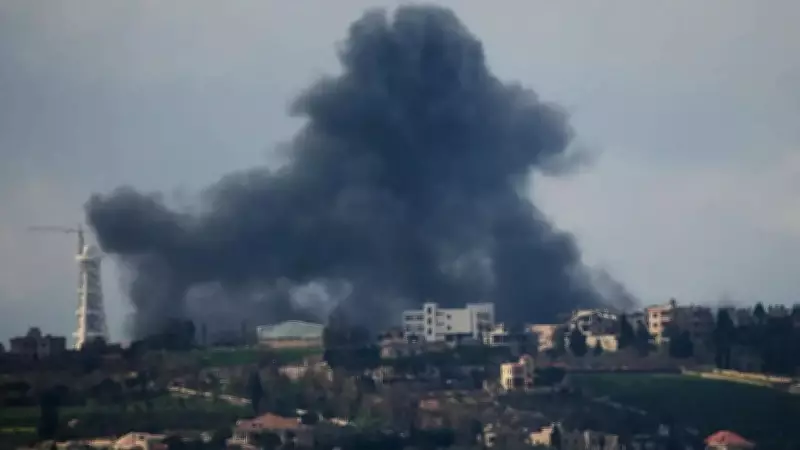
Israel Reinforces Buffer Zone in Southern Lebanon Amid Ceasefire
On Monday, Israel issued a directive to residents of southern Lebanon, instructing them to stay out of a designated border belt and avoid approaching the Litani River area. This move solidifies Israel's control over southern Lebanon, even as a ceasefire brokered by the United States remains in effect. The ceasefire, which began last Thursday, has largely halted the conflict between Israel and Hezbollah, the Iran-backed militant group, but the situation remains fragile and tense.
Ceasefire Holds but Tensions Persist
The US-mediated ceasefire, spanning 10 days, has brought a significant reduction in hostilities since its implementation. However, Israeli troops continue to occupy territory deep in southern Lebanon, with the strategic aim of establishing a buffer zone. This zone is intended to protect northern Israel from potential attacks by Hezbollah. In response, Hezbollah asserts its "right to resist" what it terms Israeli occupation, highlighting the underlying friction that threatens the ceasefire's stability.
International Efforts to Extend the Truce
Lebanese parliament speaker Nabih Berri, in an interview with the pan-Arab newspaper Asharq Al-Awsat, indicated that Washington is actively working to extend the ceasefire. A spokesperson from the US State Department confirmed that the United States will host a second round of ambassador-level talks between Lebanon and Israel on Thursday. These diplomatic efforts aim to build on the initial ceasefire and address long-term security concerns in the region.

Hezbollah's Opposition to Diplomatic Contacts
Despite these international initiatives, Hezbollah has expressed strong opposition to the contacts between Lebanon and Israel. The group views such talks as legitimizing Israeli presence and actions in southern Lebanon. This stance underscores the challenges in achieving a lasting peace, as Hezbollah remains a key player with significant influence over the region's dynamics.
The ongoing situation reflects a complex interplay of military strategy, diplomatic maneuvering, and regional politics. While the ceasefire offers a temporary respite, the deep-seated issues of occupation, resistance, and border security continue to loom large, making the path to a durable resolution uncertain.