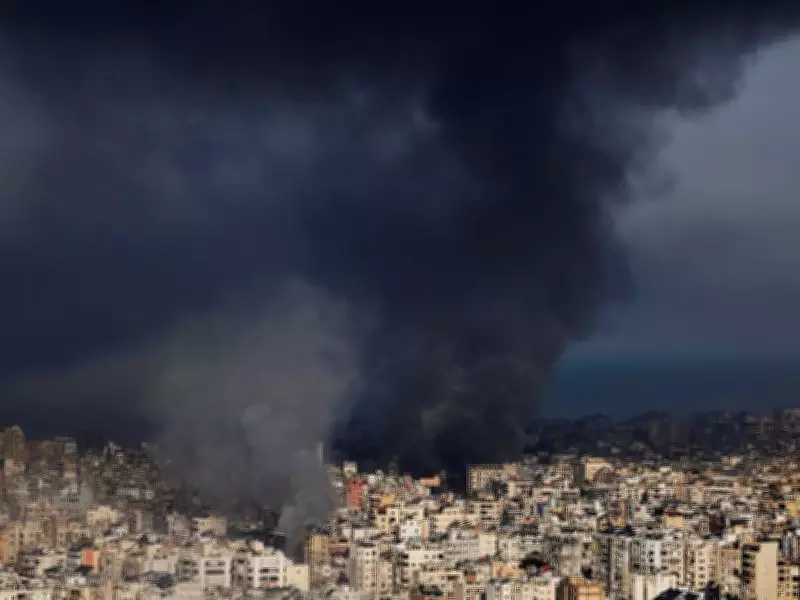
West Asia on Edge as Israel Launches Strikes in Tehran and Beirut, US Embassy in Riyadh Targeted by Drone
In a significant escalation of hostilities, Israel has conducted military strikes on targets in Tehran, Iran, and Beirut, Lebanon, while a drone attack struck the US Embassy in Riyadh, Saudi Arabia. These coordinated incidents have heightened fears of a broader regional conflict in West Asia, with global powers closely monitoring the volatile situation.
Israeli Strikes Target Key Locations in Tehran and Beirut
Israeli forces executed precise strikes on strategic sites in Tehran, the capital of Iran, and Beirut, the capital of Lebanon. The operations, which occurred in rapid succession, targeted facilities believed to be linked to militant groups and military infrastructure. Israeli officials have not provided detailed comments, but sources indicate the strikes were in response to recent provocations and threats from Iranian-backed factions.
The strikes in Tehran reportedly hit a military compound involved in drone and missile development, while the Beirut operation focused on a headquarters used by Hezbollah, a Lebanese political and militant group. Casualty reports are still emerging, with local authorities confirming damage to buildings and potential injuries, though exact numbers remain unverified.

Drone Attack on US Embassy in Riyadh Adds to Regional Instability
Simultaneously, a drone attack targeted the US Embassy in Riyadh, causing minor structural damage but no reported casualties among embassy staff. Saudi Arabian security forces intercepted the drone, but debris from the explosion impacted the embassy grounds. The US State Department has condemned the attack, labeling it an act of aggression, and is working with Saudi authorities to investigate the perpetrators.
Initial assessments suggest the drone was launched by Houthi rebels from Yemen, who have previously targeted Saudi infrastructure. However, no group has claimed responsibility yet, and investigations are ongoing to determine the exact origin and motives behind the assault.
International Reactions and Diplomatic Fallout
The international community has reacted with alarm to these developments. The United Nations has called for an immediate de-escalation, urging all parties to exercise restraint and engage in dialogue. Regional powers, including Egypt and Jordan, have expressed concern over the potential for wider conflict, emphasizing the need for diplomatic solutions to prevent further violence.
In response, Iran has issued a strong condemnation of the Israeli strikes, vowing retaliation and warning of severe consequences. Lebanese officials have also denounced the Beirut strike, calling it a violation of sovereignty. The US has reiterated its support for Israel's right to self-defense while condemning the embassy attack, highlighting the complex diplomatic landscape in West Asia.
Background and Implications for Regional Security
These incidents occur against a backdrop of longstanding tensions in West Asia, including conflicts between Israel and Iran, as well as ongoing civil wars in Yemen and Syria. The strikes and drone attack underscore the fragile security environment, where proxy wars and military confrontations are increasingly common.
Experts warn that such escalations could lead to a larger regional war, drawing in multiple countries and destabilizing global energy markets. The targeting of diplomatic missions, like the US Embassy in Riyadh, raises concerns about the safety of international personnel and the potential for further attacks on civilian and government facilities.
Looking Ahead: Potential Scenarios and Preventive Measures
As tensions mount, there are calls for enhanced diplomatic efforts to mediate the conflict. Key stakeholders, including the US, European Union, and regional organizations, are being urged to facilitate talks and implement confidence-building measures. Preventive actions, such as increased surveillance and security cooperation, are also being considered to mitigate risks.

The coming days will be critical in determining whether the situation de-escalates or spirals into more widespread violence. Monitoring developments closely, the world watches as West Asia navigates this precarious moment, with hopes for a peaceful resolution to prevent further loss of life and regional instability.