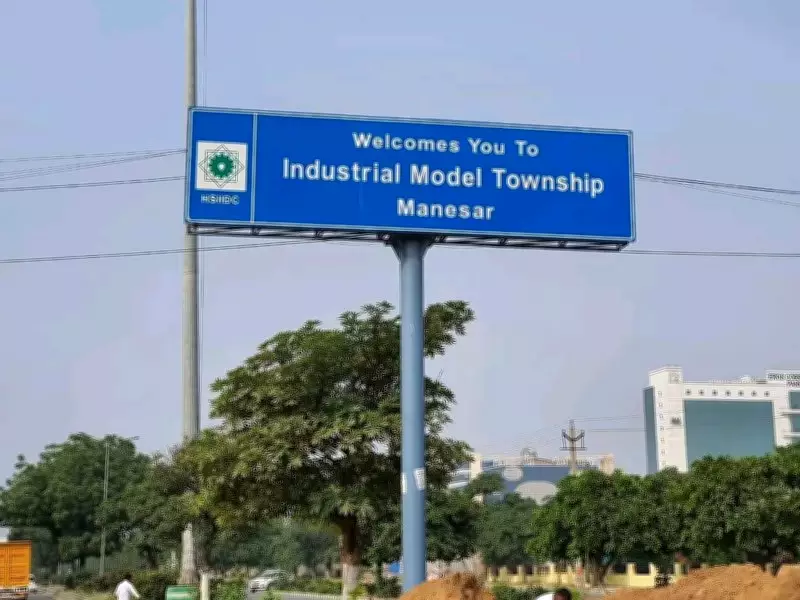
HARYANA’s industrial success story has long been a source of pride. From Manesar's automobile hubs to the manufacturing clusters spread across the state, industry has created jobs, attracted investment and powered economic growth. But the Haryana State Pollution Control Board’s finding that nearly 3,000 industrial units lack adequate air pollution control devices serves as a sobering reminder that growth cannot come at the expense of clean air. The fact that Manesar tops the list is particularly worrying. The industrial township is not only a major economic engine but also home to thousands of workers and families who breathe the air affected by factory emissions every day. Pollution is often discussed in the context of seasonal smog or stubble burning, but industrial emissions are a year-round problem. They quietly contribute to deteriorating air quality, respiratory illnesses and a diminished quality of life.
Industries operating in environmentally sensitive regions, especially within the National Capital Region, have long been aware of their obligations. Yet, thousands of units remain non-compliant. This points to a larger failure of enforcement and accountability. At the same time, the solution should not be reduced to issuing notices alone. Small and medium enterprises may require technical guidance and financial support to adopt cleaner technologies. However, there can be no compromise on timelines or standards. Repeated violators must face meaningful penalties.
Clean air is not an obstacle to industrial development; it is a prerequisite for sustainable development. Haryana's economy cannot flourish if its residents are forced to pay the price through their health. The state's industries have demonstrated their ability to innovate and compete. They must now show the same commitment to environmental responsibility. Prosperity and public health must move forward together.