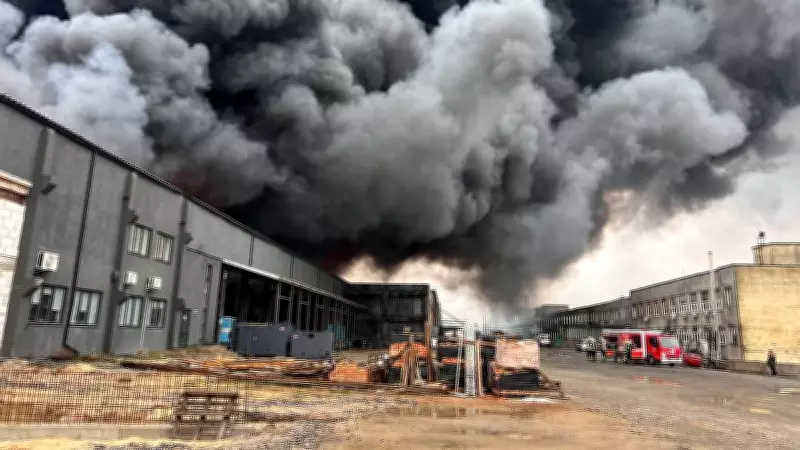
In the evolving landscape of modern conflict, the traditional notion of military superiority is being challenged by a new paradigm: survivability. From Ukraine's resourceful improvisation on the battlefield to Iran's demonstrated endurance under pressure, both conflicts underscore a fundamental shift in how wars are fought and won. Resilience, rather than sheer firepower or advanced technology, has become the defining characteristic of successful military campaigns.
The Ukrainian Model: Adaptability in Action
Ukraine's defense against Russian aggression has highlighted the power of adaptability. Facing a larger and more conventionally equipped adversary, Ukrainian forces have relied on decentralized command, rapid innovation, and the effective use of commercial technologies. Drones, encrypted communication apps, and improvised munitions have leveled the playing field, allowing smaller units to disrupt supply lines and target high-value assets. This approach has proven that a motivated and flexible force can withstand and even repel a superior enemy.
Lessons from the Frontlines
The conflict has demonstrated that rigid, top-down military structures are vulnerable to agile opponents. Ukraine's ability to integrate civilian tech and crowd-sourced intelligence has created a dynamic battlefield where speed of adaptation often trumps raw power. This model emphasizes the need for militaries to foster innovation at all levels, from individual soldiers to command centers.

Iran's Endurance Strategy
Iran, meanwhile, has showcased a different facet of resilience: strategic patience and asymmetric warfare. By investing in proxy forces, missile technology, and cyber capabilities, Iran has built a deterrent that relies on attrition and the ability to inflict costs on adversaries. Its support for groups like Hezbollah and the Houthis exemplifies how endurance can be projected beyond borders, creating a network of influence that is difficult to dismantle.
The Role of Non-State Actors
Iran's strategy blurs the lines between state and non-state actors, making conventional military responses less effective. This approach forces opponents into protracted conflicts where the cost of engagement outweighs the benefits. The endurance of Iran's network, despite sanctions and military pressure, underscores the importance of strategic depth and societal resilience.
A New Doctrine for Modern Warfare
These two cases point to a broader trend: the decline of decisive, set-piece battles in favor of prolonged, multi-domain struggles. Military planners must now prioritize resilience—the ability to absorb shocks, adapt to changing circumstances, and sustain operations over time. This requires investments in training, logistics, and technology that enhance flexibility rather than just firepower.
Implications for Global Security
For nations like India, which face diverse security challenges, the lessons are clear. Building a resilient military means fostering a culture of innovation, investing in indigenous defense production, and preparing for hybrid threats that blend conventional and unconventional methods. The future battlefield will not be won by the biggest arsenal but by the force that can endure, adapt, and outthink its adversary.
In conclusion, as Col M V Shashidhar (Retd) notes, the conflicts in Ukraine and Iran illustrate that survivability now trumps traditional superiority. Modern warfare demands a rethinking of strategy, where resilience is the new currency of power.