

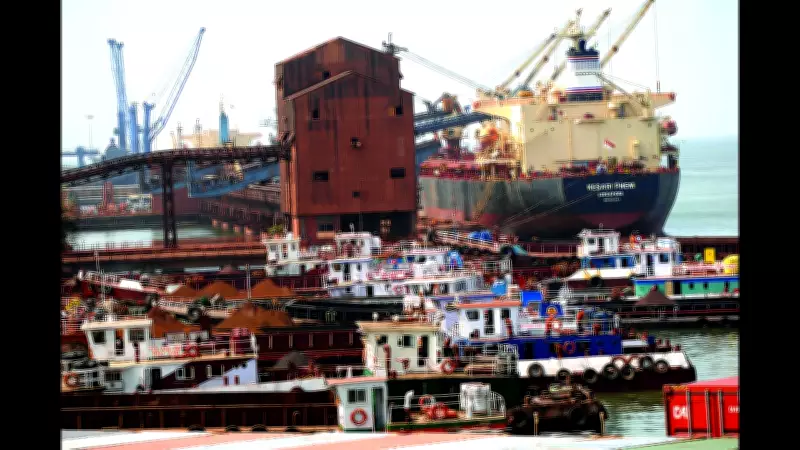
The Mormugao Port Authority has implemented two key measures to mitigate the impact of ongoing geopolitical tensions around the Strait of Hormuz on Indian maritime trade. The port will prioritise berthing for vessels carrying essential commodities such as crude oil, LNG, LPG, and fertilisers, while also providing immediate financial concessions to exporters shipping cargo to West Asian countries. These steps, announced through consecutive trade notices, aim to shield Indian trade from the cascading effects of the West Asia crisis.
Priority Berthing for Essential Cargo
The first trade notice, issued by the port's traffic manager Jerome Clement, follows a communication from the Ministry of Ports, Shipping and Waterways. The ministry flagged that the evolving situation around the Strait of Hormuz could disrupt the movement of energy cargoes and critical supplies, particularly those originating from or destined for the Gulf region. In response, the port authority instructed all stakeholders, including shipping agents, stevedores, vessel operators, importers, and exporters, that vessels carrying essential commodities would be accorded priority berthing, wherever feasible, based on requests or recommendations from the nodal ministry concerned.
Stakeholders were urged to ensure timely submission of all statutory documents and compliance with pre-arrival formalities. The port assured that minor documentation-related issues would be handled in a facilitative manner, without compromising safety, security, or environmental standards, to avoid undue delays.

Immediate Financial Concessions for Exporters
The second trade notice addresses a more immediate commercial concern for exporters. It states that any concessions or waivers applicable to export cargo destined for countries in West Asia shall henceforth be passed on directly to exporters at the time of billing. Crucially, the earlier practice of initially charging exporters the full amount and subsequently reimbursing applicable concessions has been discontinued with immediate effect. This change eliminates a cash flow burden that exporters trading with the Gulf region had long flagged as a practical hardship, particularly during periods of trade disruption.
These coordinated measures reflect a strategic effort by the port and the ministry to insulate Indian trade from the cascading effects of the West Asia crisis, ensuring the continued flow of essential commodities and supporting exporters in a challenging geopolitical environment.






