

Survival Against All Odds: The Story of Seat 11A
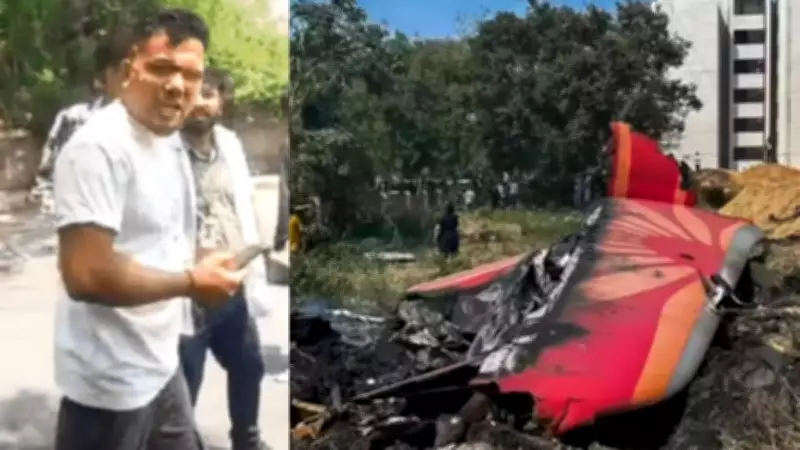
AHMEDABAD: June 12, 2025. Air India Flight 171 takes off for London Gatwick at 1:38 pm on a sunny Thursday with clear visibility. Thirty-two seconds later, disaster strikes. The Boeing 787 Dreamliner, carrying 242 people — including two pilots and 10 cabin crew — plunges to earth and crashes 1.7 km from Ahmedabad airport. One man lives.
For nearly a year, mystery has swirled around how seat 11A flier Viswashkumar Ramesh, a British national of Indian origin, walked away from one of the world's deadliest aviation tragedies.
The Chain of Survival
An internal assessment by Gujarat police has pieced together a chain of survival: seat 11A, a mid-air ejection, a 50-foot trajectory away from wreckage, and a 10-foot mud embankment created by construction and landscaping work. That mud wall shielded him from a raging fireball.

How the Mud Embankment Protected Ramesh
Sources familiar with the assessment said that Viswashkumar Ramesh survived because he was hurled out of the aircraft while still strapped to his seat, located beside an emergency exit near a section of fuselage that later split apart on impact.
Sources said the rear section of the aircraft slammed into BJ Medical College's hostel-mess complex after losing altitude shortly after takeoff. When the aircraft broke apart, the force of the impact flung Ramesh and his seat about 50 feet from the wreckage before landing in a muddy patch, a source said.
Seconds later, the forward section crashed into the hostel complex and erupted in flames. By then, Ramesh had landed behind the mud embankment, which absorbed much of the heat, flames, and blast force unleashed by the explosion, sparing him fatal burns. He escaped with a dislocated shoulder and minor facial injuries and was shifted to Ahmedabad civil hospital.
"The mound acted as a shield between him and the aircraft. It protected him from the direct impact of the fireball, heat, and flames generated by the explosion," a source said.
Investigation and Reconstruction
Investigators reconstructed the sequence of events using CCTV footage and other evidence gathered from the crash site. They have also obtained a video recorded from the opposite side of the aircraft, offering a fresh perspective on the crash sequence, sources said.
Personal Tragedy and Ongoing Struggles
Survival, however, came at a crushing cost. Ramesh's younger brother Ajay, traveling with him, died in the crash. After returning to the UK in September last year to reunite with his wife and young son, Ramesh continues to battle physical injuries, emotional scars, and financial hardship.






