Netanyahu Sets Clear Red Line on Iran Nuclear Program
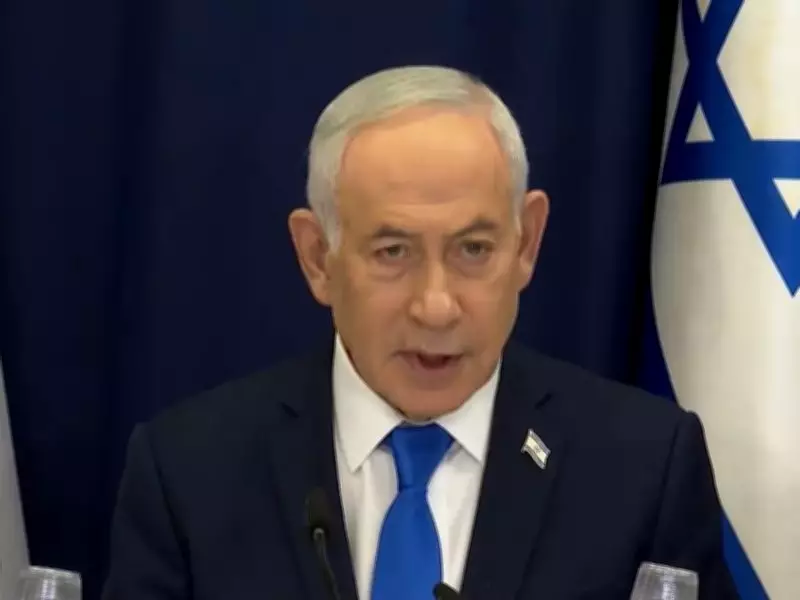
Israeli Prime Minister Benjamin Netanyahu declared on Sunday that Iran's nuclear program "has to come to an end" irrespective of whether a diplomatic agreement is reached. The statement came as he prepared to meet US President Donald Trump in Washington on Monday.
Speaking to Fox News, Netanyahu outlined conditions for ending the conflict with Iran. "I think when this regime is either toppled or it's sufficiently weakened that it knows it has to end its nuclear program and has to change its course," he said.
The Israeli leader emphasized that the war would effectively conclude only if Iran undergoes fundamental political change or abandons its nuclear ambitions and alters its regional policies. "That's really what President Trump is trying to achieve. And I backed him fully... But one way or the other, they have to end their nuclear program. And with a deal or without a deal, that has to come to an end," Netanyahu added.

US Pauses Military Action to Allow Diplomatic Space
Ahead of his departure for Washington, Netanyahu confirmed that Iran would be a key topic during his talks with Trump. At the start of the weekly Cabinet meeting, he stated, "Tomorrow I will fly to Washington to meet, at his invitation, with President Trump... I will also discuss all pending issues with President Trump, including the situation in Iran."
Meanwhile, US Ambassador to the United Nations Mike Waltz told Fox News that President Trump had paused attacks on Iran to create room for diplomacy. "He's giving talks some space. He's giving it a little bit of room," Waltz said. He stressed that Washington was temporarily refraining from military action to allow diplomatic efforts to continue. Speaking to NBC News, Waltz noted, "The president is keeping all options on the table," adding that "talks are ongoing... what we are constantly seeing, though, is on the Iranian regime's side, they are divided, there is internal fighting."
Iran Strengthens Military Preparedness
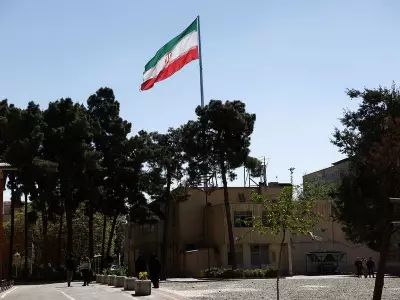
In response, Iran said its Army was "fully prepared for all scenarios" and had bolstered its air defense capabilities ahead of Netanyahu's US visit. According to ISNA news agency, Army spokesperson Mohammad Akraminia stated, "The situation for America is chaotic and undesirable, and they failed to achieve their goals in the Strait of Hormuz and in weakening Iran."
Akraminia claimed the United States had failed to achieve its objectives during the conflict. "They are now seeking a new strategy; the possibility of withdrawal from the war, conditional on Israel's permission," he added, alleging that Washington was reassessing its approach while remaining dependent on Israel's decisions.
Oil Tanker Explosion in Strait of Hormuz
Iranian media reported that an oil tanker exploded after allegedly striking a naval mine in the Strait of Hormuz after deviating from a shipping route designated by Tehran. According to Iran's Tasnim News Agency, the incident involved a "rogue" oil tanker that had departed from the route specified by Iranian authorities before colliding with a sea mine. Tasnim said Iran had "repeatedly warned beforehand that if ships deviate from Iran's designated route, they would bear the consequences themselves."
Despite the incident, there has been progress in talks between Iran and Oman on reopening the Strait of Hormuz and their respective territorial waterways, two regional sources told CBS News. The report indicated that while things are headed in a positive direction, diplomacy requires more time to reach a deal. Omani officials traveled to Tehran for talks, coinciding with President Trump's decision to pause US bombings on Iran, which CENTCOM had been carrying out for 13 consecutive nights.
Pope Appeals for Peace Amid Rising Tensions
From Vatican City, Pope Leo XIV renewed his appeal for peace in the Middle East amid the ongoing US-Iran tensions. The pontiff said the intensification of military operations had "again wreaked violence and destruction, endangering the lives of countless civilians and further aggravating the shortages of drinking water and electricity."

The Pope highlighted the humanitarian consequences of the conflict, stating that continued military operations were worsening civilian suffering and disrupting access to essential services. "From the depths of my heart, I exhort all parties involved to suspend the attacks and urgently reopen paths of dialogue and diplomacy, so that the longed-for peace for the entire region may be achieved without delay," he said. The Vatican's appeal called on all sides to halt military operations and return to negotiations as the only path towards lasting peace.