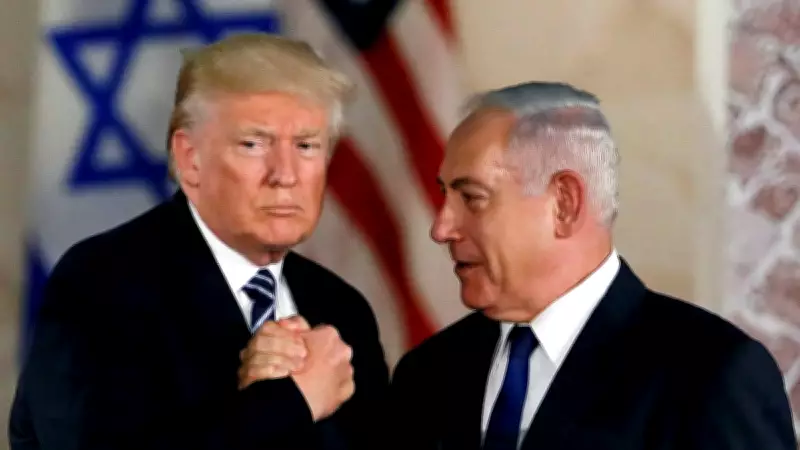
Israeli Prime Minister Benjamin Netanyahu has privately acknowledged that he has limited ability to influence U.S. President Donald Trump's decision-making on Iran, as the Trump administration continues negotiations with Tehran over a potential deal. According to two sources familiar with the matter, Netanyahu made these remarks in confidential conversations with close confidants, expressing frustration over Israel's diminishing role in shaping U.S. policy on Iran.
Background of the Tensions
The revelation comes amid ongoing U.S.-Iran talks that have been underway for nearly three months. The negotiations, which focus on Iran's nuclear program and regional activities, have been a source of concern for Israel, which views a nuclear-armed Iran as an existential threat. Netanyahu has long advocated for a hardline stance against Iran, but Trump's willingness to engage in direct diplomacy has reportedly left the Israeli leader feeling sidelined.
Netanyahu's Private Concerns
In private discussions, Netanyahu reportedly stated that Israel's ability to sway Trump's position is minimal, despite their historically close relationship. The sources noted that the Israeli prime minister believes that Trump is focused on securing a deal that would bolster his legacy, potentially at the expense of Israel's security interests. Netanyahu's comments reflect a growing sense of unease within his inner circle about the direction of U.S. policy.

The development is particularly significant given the long-standing alliance between the two leaders. Trump has been a staunch supporter of Israel, moving the U.S. embassy to Jerusalem and recognizing Israeli sovereignty over the Golan Heights. However, the current negotiations with Iran appear to be straining that relationship.
Implications for Regional Security
Analysts suggest that Netanyahu's admission could signal a shift in Israel's strategy. With limited leverage over Washington, Israel may need to explore alternative avenues to safeguard its interests, including strengthening ties with other regional powers or enhancing its own military capabilities. The ongoing talks have also raised concerns among Gulf states, which share Israel's apprehension about Iran's ambitions.
As the negotiations progress, the international community is watching closely. A potential deal could reshape the geopolitical landscape of the Middle East, with far-reaching consequences for Israel, Iran, and the broader region. Netanyahu's private comments underscore the high stakes involved and the delicate balance of power at play.