

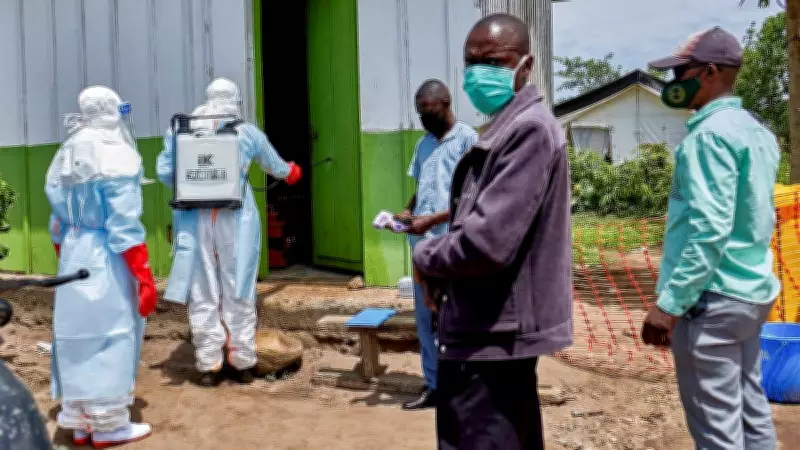
The Karnataka Health Department has confirmed that there are no reported cases of Ebola in India, following the World Health Organization's declaration of an outbreak in the Democratic Republic of Congo and Uganda as a Public Health Emergency of International Concern.
WHO Declares Emergency
The WHO declared the ongoing outbreak of Ebola disease in the DRC and Uganda as a Public Health Emergency of International Concern on May 17, 2026. This declaration underscores the seriousness of the situation and the need for coordinated global response.
Travel Advisory Issued
In response, the Karnataka Health Department has issued a travel advisory for individuals traveling to or from the affected regions. The advisory recommends avoiding non-essential travel to the DRC and Uganda, and urges travelers to monitor their health for symptoms such as fever, fatigue, muscle pain, headache, and sore throat.

The department has also enhanced surveillance at airports and other entry points to screen passengers arriving from affected areas. Health officials are on high alert and have been instructed to report any suspected cases immediately.
No Cause for Panic
The Health Department emphasized that there is no cause for panic, as India remains Ebola-free. They assured the public that all necessary precautions are being taken to prevent the importation of the virus. The department is coordinating with central health authorities and the WHO to stay updated on the evolving situation.
Ebola virus disease is a severe, often fatal illness in humans. The virus is transmitted to people from wild animals and spreads through human-to-human transmission. The average case fatality rate is around 50%, but has varied from 25% to 90% in past outbreaks.
Public Health Measures
The Karnataka government has activated its public health emergency response plan. Hospitals have been instructed to maintain isolation facilities and stock necessary medical supplies. Awareness campaigns are being conducted to educate the public about the disease and preventive measures.
The Health Department advises anyone with recent travel history to affected regions to self-monitor for 21 days and seek medical attention if symptoms develop. They can contact the state helpline for guidance.






