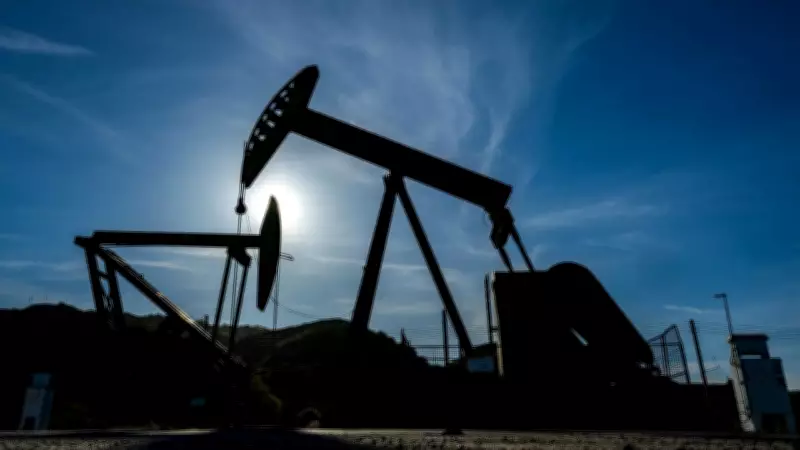
Oil prices experienced a modest increase on Tuesday, driven by ongoing uncertainty surrounding negotiations between the United States and Iran, as well as speculation about the potential reopening of the Strait of Hormuz, a critical energy transit route.
Market Movements
Brent crude futures edged up by 0.06 percent to $95.04 per barrel, while US West Texas Intermediate (WTI) saw a slight decline of 0.18 percent to $91.99 per barrel during early trading sessions. The market largely retained the strong gains from the previous session, which had been marked by sharp fluctuations due to shifting signals regarding US-Iran negotiations and the evolving security situation in the Middle East.
Diplomatic Signals and Uncertainty
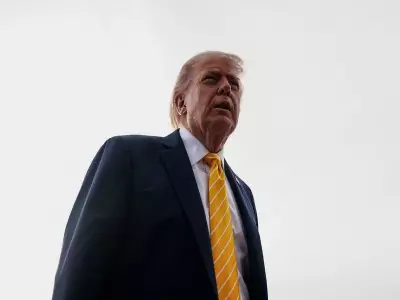
Trader sentiment remained fragile as they assessed the likelihood of progress or a breakdown in diplomatic engagement between Washington and Tehran. According to Reuters, US President Donald Trump stated on Monday that discussions with Iran were ongoing. However, Iran's Tasnim news agency reported that Tehran had suspended indirect negotiations with the United States, adding to the market's uncertainty about the future of the talks.

In a separate interview with CNBC, Trump suggested he would not object if the talks had ended, but later posted on social media that negotiations were continuing. He also told ABC News that he expected a possible deal that could extend the ceasefire and support the reopening of the Strait of Hormuz within the next week, as per a post shared by the outlet on X.
Focus on the Strait of Hormuz
Despite the conflicting signals, traders continued to focus on developments related to the Strait of Hormuz, through which a significant portion of global oil shipments pass. Any disruption or reopening of this route remains a key driver of risk sentiment in energy markets.
Market analysts noted that prices were being driven largely by uncertainty rather than fundamental factors. Tim Waterer, chief market analyst at KCM Trade, commented, "The market is currently focused on whether there is any concrete progress or setbacks in US-Iran negotiations, the tone and substance of statements from both sides, and actual physical tanker movements through the waterway." He added that the direction of the negotiations would determine whether the current risk premium in oil prices is sustained or gradually unwinds.
Regional Developments
In a separate development, Lebanon announced a partial ceasefire between Hezbollah and Israel on Monday, signaling a limited de-escalation on one front of the wider regional conflict involving Iran-backed groups. This development added a layer of complexity to the geopolitical landscape.
Shipping and energy flows remain under pressure as geopolitical tensions continue to affect maritime security in key waterways. Earlier disruptions linked to the conflict have already significantly impacted tanker movements and global supply routes.
US Crude Exports and Inventories
US crude exports have risen to record levels, supported by stronger demand from Asian and European refiners seeking alternative supply sources amid Middle East uncertainty. According to preliminary estimates, US crude inventories are also expected to have fallen in the latest reporting week, extending a trend of declining stockpiles and reinforcing concerns about tighter supply conditions.
Shipping executives have warned that any future agreement between the US and Iran would need to establish clear rules for safe passage through the Strait of Hormuz before normal maritime operations can fully resume.