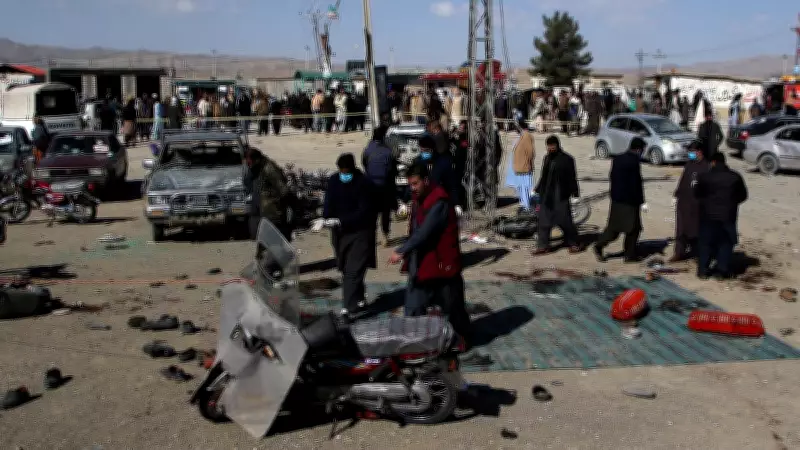
The Pakistan Army has released a sobering report detailing the heavy human toll of recent security operations in the volatile province of Balochistan. According to official military statements, at least 216 terrorists have been neutralized in counter-terrorism efforts across the region. However, these operations have come at a significant cost, with 36 civilians and 22 military personnel also losing their lives in the violence.
Escalating Conflict in Pakistan's Largest Province
Balochistan, Pakistan's largest province by area, has long been a hotbed of separatist insurgency and militant activity. The region's strategic importance, rich natural resources, and complex ethnic dynamics have made it a persistent security challenge for the Pakistani state. The latest casualty figures underscore the intensity of the ongoing conflict and the difficult trade-offs involved in counter-insurgency operations.
Breakdown of Casualties and Operational Context
The Pakistan Army's report provides a detailed breakdown of the casualties, revealing the multifaceted nature of the violence. The 216 terrorists killed represent various militant groups operating in the province, including separatist organizations and religious extremist factions. The civilian deaths, numbering 36, highlight the tragic collateral damage that often accompanies such conflicts, raising questions about operational protocols and civilian protection measures.

The loss of 22 military personnel demonstrates the considerable risks faced by security forces in Balochistan's rugged terrain. These personnel were likely involved in direct combat operations, intelligence gathering, and security patrols across the province's vast and often inaccessible areas.
Security Implications and Regional Stability
The high casualty figures reported by the Pakistan Army have significant implications for regional security and stability. Balochistan shares borders with Afghanistan and Iran, making cross-border militant movements a persistent concern. The province also hosts critical infrastructure projects, including the China-Pakistan Economic Corridor (CPEC), which adds another layer of strategic importance to the security situation.
Humanitarian Concerns and Civilian Impact
Beyond the military implications, the reported deaths of 36 civilians raise serious humanitarian concerns. Civilian populations in conflict zones often bear the brunt of violence through displacement, economic disruption, and psychological trauma. The Pakistan Army's acknowledgment of civilian casualties represents a rare transparency in reporting, though it also underscores the human cost of the ongoing conflict.
Local communities in Balochistan have historically complained about military operations affecting civilian life, with allegations of human rights abuses and disproportionate use of force. The latest figures may fuel further debate about the balance between security imperatives and civilian protection in counter-terrorism strategies.
Historical Context of Balochistan's Insurgency
To understand the current casualty figures, one must consider the historical context of Balochistan's decades-long insurgency. The province has seen multiple waves of separatist movements since Pakistan's independence, driven by grievances over political autonomy, resource distribution, and economic development. Various militant groups have emerged over the years, employing tactics ranging from guerrilla warfare to targeted attacks on security forces and infrastructure.
The Pakistan Army has conducted numerous operations in response, with varying degrees of success and controversy. The current casualty report suggests an intensification of these operations, possibly reflecting new tactical approaches or increased militant activity in the region.
Future Prospects and Security Challenges
Looking ahead, the high casualty numbers indicate that Balochistan's security challenges are far from resolved. The Pakistan Army will likely continue facing difficult operational decisions as it balances counter-terrorism objectives with civilian safety concerns. The international community, particularly neighboring countries and major powers with interests in the region, will be closely monitoring developments in Balochistan given its strategic significance.

The transparency in reporting casualties, while commendable, also puts pressure on Pakistani authorities to demonstrate progress in stabilizing the province. Future operations may need to incorporate more sophisticated intelligence gathering, precision targeting, and community engagement to reduce civilian harm while effectively countering militant threats.