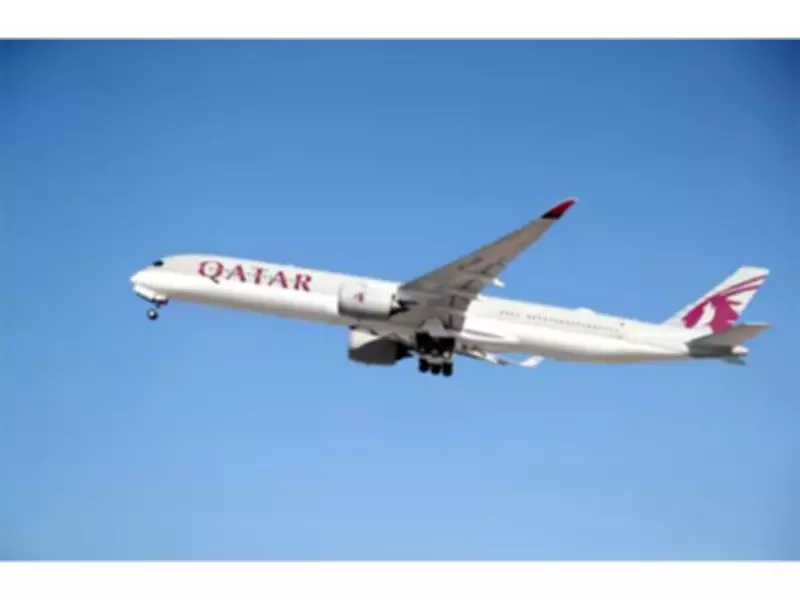
Qatar Airways Extends Flight Suspension Amid West Asia Conflict
In a significant development affecting global aviation, Qatar Airways has announced an extension of its suspension of flight operations to several key destinations. This decision comes as a direct response to the escalating conflict in the West Asia region, which has created severe operational challenges and safety concerns for airlines operating in the area.
Operational Impact and Affected Routes
The airline has confirmed that the suspension will continue to impact multiple routes, disrupting travel plans for passengers and cargo shipments alike. While specific destinations have not been disclosed in detail, reports indicate that the affected flights primarily involve routes to and from conflict-affected zones in West Asia. This move underscores the broader implications of regional instability on international air travel, with Qatar Airways taking a cautious approach to ensure passenger safety and comply with international aviation regulations.
The extension of this suspension highlights the prolonged nature of the West Asia conflict, which has forced airlines to reassess their operational strategies in the region. Aviation experts note that such disruptions can lead to significant financial losses for carriers, as well as inconvenience for travelers relying on these routes for business, tourism, or personal reasons.

Safety and Regulatory Considerations
Qatar Airways has emphasized that the decision is based on rigorous safety assessments and consultations with relevant authorities. The airline stated, "Our top priority remains the safety and security of our passengers and crew. We are closely monitoring the situation and will resume operations as soon as it is deemed safe to do so." This stance reflects a growing trend among global airlines to prioritize risk management in volatile regions, aligning with guidelines from international bodies like the International Air Transport Association (IATA).
The conflict in West Asia has not only impacted flight operations but also raised concerns about airspace security and diplomatic tensions. Other airlines in the region may follow suit, potentially leading to a broader reduction in air connectivity. This could affect trade, tourism, and diplomatic exchanges, further complicating efforts to resolve the underlying conflicts.
Broader Implications for Aviation and Travel
The suspension extension by Qatar Airways serves as a reminder of how geopolitical events can ripple through the aviation industry. Passengers booked on affected flights are being offered alternatives, such as rebooking on other routes or refunds, but the disruption underscores the fragility of global travel networks in times of crisis. Industry analysts predict that if the conflict persists, it could lead to longer-term changes in flight patterns and airline alliances in the region.
In summary, Qatar Airways' move to extend its flight suspension amid the West Asia conflict is a proactive measure driven by safety concerns. It highlights the ongoing challenges faced by the aviation sector in navigating regional instability, with potential repercussions for international travel and economic activities in the affected areas.