

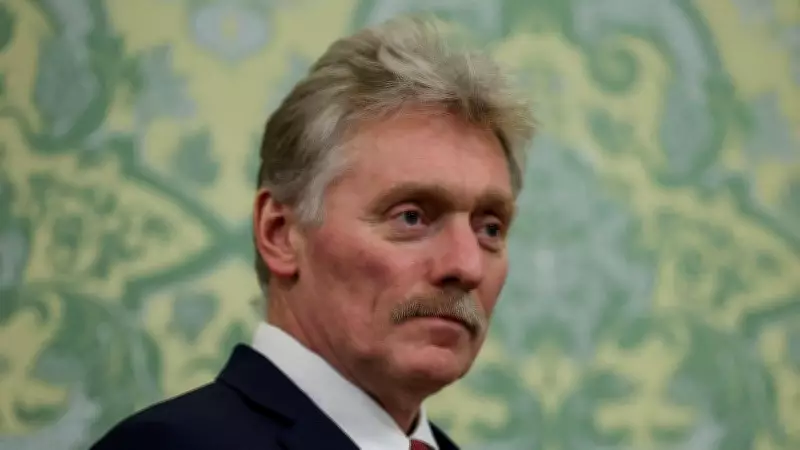
The Kremlin has issued a stark declaration, stating that Russia will persist with its military campaign in Ukraine until the government in Kyiv makes what it describes as necessary 'decisions'. This announcement underscores Moscow's unwavering stance in the ongoing conflict, which has now entered its fifth year of intense fighting and geopolitical turmoil.
Russia's Unyielding Position on Donbas Territories
Central to Russia's demands is the requirement for Ukraine to formally cede control over the remaining parts of the Donbas region. This area, which has been a focal point of hostilities since the conflict began, remains partially under Ukrainian administration despite years of Russian military efforts to capture it entirely. The Kremlin's insistence on this territorial concession highlights its strategic objectives in the region, which are deeply intertwined with historical, political, and economic factors.
Ukraine's Firm Rejection of Russian Demands
In response to Russia's ultimatum, Ukraine has categorically rejected the demand to relinquish the Donbas territories. Ukrainian officials have emphasized their commitment to preserving the nation's sovereignty and territorial integrity, viewing such concessions as unacceptable under international law and norms. This rejection sets the stage for continued diplomatic and military tensions, as both sides remain entrenched in their positions with little room for compromise.

Implications for the Ongoing Conflict
The Kremlin's statement signals a prolonged and potentially escalating conflict, with Russia showing no signs of backing down from its military objectives. Analysts suggest that this hardline approach could lead to further humanitarian crises, economic disruptions, and instability in the region. The international community, including organizations like the United Nations, has expressed concern over the potential for increased violence and the challenges it poses to global peace efforts.
Historical Context and Future Prospects
Over the past four years, the fighting in Ukraine has resulted in significant loss of life, displacement of populations, and widespread destruction of infrastructure. Russia's latest demands reflect a continuation of its earlier policies aimed at expanding influence in Eastern Europe. As the conflict drags on, the prospects for a peaceful resolution appear dim, with both nations preparing for what could be another year of fierce battles and diplomatic standoffs.
In summary, the Kremlin's insistence on Ukraine making 'decisions' that align with Russian interests, particularly regarding the Donbas region, has been met with firm resistance from Kyiv. This dynamic ensures that the war will persist, with far-reaching consequences for regional and global stability. The world watches closely as these developments unfold, hoping for a de-escalation but bracing for continued strife.






