

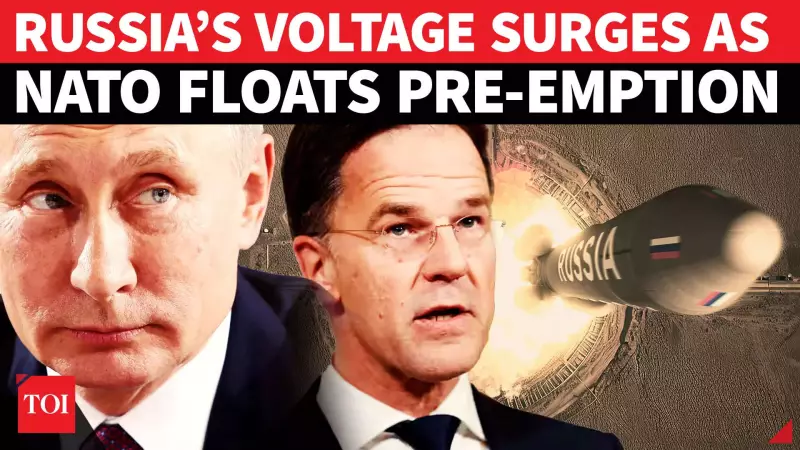
Moscow has delivered a thunderous response to recent comments from a NATO military official regarding potential pre-emptive action, dramatically escalating geopolitical tensions. The Kremlin's reaction, described as one of its fiercest warnings to date, came swiftly after the alliance admiral's remarks, which Russia interprets as a deliberate attempt to derail any peaceful resolution in Ukraine.
Kremlin's Blistering Reaction to NATO Remarks
The diplomatic firestorm was ignited when a senior NATO admiral suggested the alliance possessed and might consider a pre-emptive strike option. Russia seized upon this statement, interpreting it not as a defensive posture but as a direct and aggressive threat. Russian officials were quick to condemn the language, framing it within the ongoing context of the conflict in Ukraine.
Russian Foreign Ministry spokeswoman Maria Zakharova led the charge, lambasting the NATO official's words. She characterized the statement as both provocative and recklessly dangerous. In a clear message aimed at all NATO member states, Zakharova warned that any move towards a direct confrontation with Russia would result in severe consequences that no alliance nation could afford to ignore.

Sabotage of Peace and Zero Tolerance from Putin
Beyond the immediate warning, Moscow has framed the NATO admiral's comments as part of a larger, more sinister design. The Russian government asserts that such talk of pre-emptive military action is intentionally meant to sabotage any potential peace efforts concerning Ukraine. This perspective positions Russia as a party seeking resolution and casts NATO as an instigator seeking perpetual conflict.
Adding significant weight to the diplomatic reprimand, the warning carries the implicit, if not explicit, endorsement of President Vladimir Putin. The Russian leader is now signaling a policy of zero tolerance for escalatory rhetoric from the Western military alliance. This hardline stance indicates that Moscow will treat such verbal posturing as a serious security threat, potentially warranting an equally serious response.
Geopolitical Stage Set Ablaze
The exchange has successfully set the geopolitical stage ablaze, introducing a new layer of volatility into an already tense relationship between Russia and the West. The incident, dated December 2, 2025, marks a significant downturn in diplomatic communications, moving from taciturn disagreements to overt and fiery warnings.
This development forces NATO member states to carefully calibrate their public statements while simultaneously assessing the depth and sincerity of Moscow's warnings. The core question now hanging over international diplomacy is whether this represents a temporary spike in rhetorical hostility or a permanent shift towards a more dangerous and direct phase of geopolitical rivalry, with the shadow of the Ukraine conflict looming large over every word.






