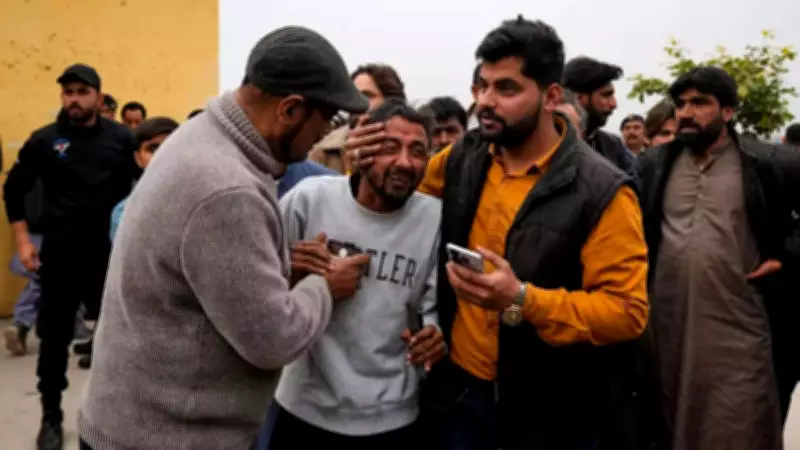
Suicide Bombing at Islamabad Shia Mosque Leaves 31 Dead, Over 160 Injured
A devastating suicide bombing struck a Shia mosque in Pakistan's capital Islamabad on Friday, resulting in the tragic deaths of at least 31 individuals and leaving more than 160 others injured. The powerful explosion occurred at the Khadijatul Kubra mosque-cum-imambargah located in the Tarlai area during the crucial Friday prayers congregation.
Details of the Attack and Immediate Aftermath
According to police sources who spoke to PTI, the blast was executed by a suicide bomber who was intercepted at the gate of the imambargah but proceeded to detonate himself, instantly killing several people on the spot. Rescue teams and police personnel rushed to the chaotic scene immediately following the explosion.
Television footage and images circulating on social media platforms depicted police officers and local residents frantically carrying the injured to nearby hospitals for urgent medical attention. In response to the massive influx of casualties, an emergency was declared at hospitals across Islamabad to handle the overwhelming number of victims requiring treatment.

Political Condemnations and Security Context
The attack unfolded during the state visit of Uzbek President Shavkat Mirziyoyev, who had arrived in Pakistan on Thursday for a two-day official visit. This timing added a layer of complexity to the security situation in the federal capital.
President Asif Ali Zardari issued a strong condemnation of the blast, stating unequivocally that "targeting innocent civilians is a crime against humanity." Prime Minister Shehbaz Sharif expressed profound grief and firmly denounced the attack. Senate Opposition Leader Allama Raja Nasir Abbas emphasized that targeting places of worship constitutes a direct assault on humanity, religious values, and social norms that cannot be tolerated.
Pakistani Parliamentary Affairs Minister Tariq Fazal Chaudhry characterized the attack as a "cowardly act" in a social media post, while Interior Minister Mohsin Naqvi condemned the violence and directed authorities to ensure optimal medical care for all injured victims.
Investigation and Broader Security Implications
Police authorities confirmed that the nature of the explosion is under thorough investigation, though initial indications strongly point toward a suicide attack. As of now, no terrorist group has claimed responsibility for this horrific incident. However, police sources have indicated that the attacker was a foreign national with alleged connections to Fitna al Khwaraji, a term commonly associated with the Tehreek-e-Taliban Pakistan (TTP).
This tragic event occurs less than three months after a suicide bomber killed 12 people outside a district and sessions court building in Islamabad. It also follows closely on the heels of multiple attacks carried out by the outlawed Baloch Liberation Army in insurgency-affected Balochistan approximately a week prior, which resulted in around 50 fatalities.
The attack underscores the persistent security challenges facing Pakistan and represents a severe blow to religious harmony and public safety in the nation's capital during a period of international diplomatic engagement.