

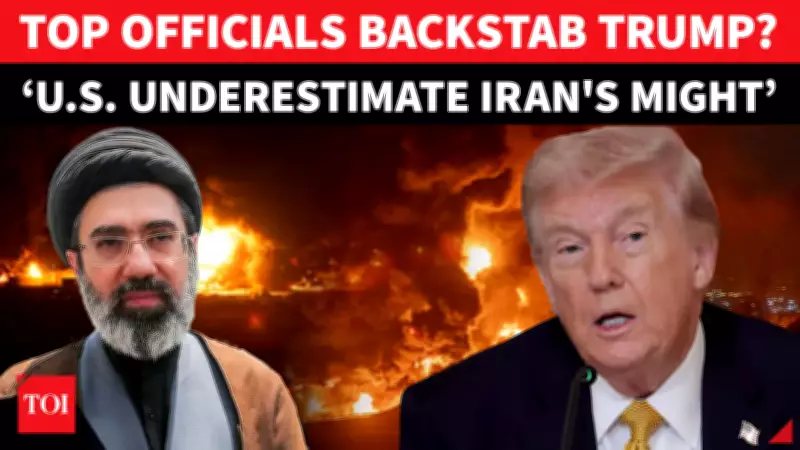
Despite repeated claims from U.S. leadership that strikes and operations had crippled Tehran's military strength, recent intelligence assessments suggest Iran retains significant military capabilities even after weeks of intense U.S. and Israeli bombardments. According to Pentagon and other U.S. officials familiar with the assessments, Iran still holds a substantial portion of its ballistic missile and drone arsenal, along with naval and air assets, indicating that the country's defence posture remains resilient.
Intelligence Reveals Iran's Military Resilience
The assessments, which have been shared among senior U.S. officials, paint a picture of a far-from-crippled Iranian military. Sources indicate that despite the heavy bombardment, Iran has managed to preserve key elements of its offensive and defensive capabilities. This includes a significant number of ballistic missiles capable of striking regional targets, as well as a robust drone fleet that has been a cornerstone of Iranian asymmetric warfare strategy.
Ballistic Missiles and Drones Remain Key Threats
According to the intelligence, Iran's ballistic missile arsenal, which includes systems like the Shahab and Emad, remains largely intact. Additionally, the country's drone capabilities, which have been used extensively in recent conflicts, are still operational. These findings contradict earlier assertions by U.S. and Israeli officials that the bombing campaigns had severely degraded Iran's ability to project power.

Naval and Air Assets Also Survive
Beyond missiles and drones, the assessments highlight that Iran's naval forces, including fast attack craft and anti-ship missiles, remain a potent threat in the Persian Gulf and the Strait of Hormuz. The Iranian Air Force, while less advanced, has also retained a number of operational aircraft and air defense systems. This resilience suggests that any potential military confrontation with Iran would still pose significant risks to U.S. and allied forces in the region.
The findings come amid heightened tensions between the U.S. and Iran, with diplomatic efforts to de-escalate the situation appearing stalled. The intelligence has prompted internal debates within the Trump administration about the effectiveness of the current military strategy and the potential need for a shift in approach. Some aides have privately expressed concern that the administration's public narrative of Iranian weakness may be misleading both domestic and international audiences.
As the situation continues to evolve, the resilience of Iran's military capabilities underscores the challenges facing U.S. policymakers in the region. The assessments serve as a stark reminder that despite weeks of intense bombing, Iran remains a formidable military power, far from broken.






