

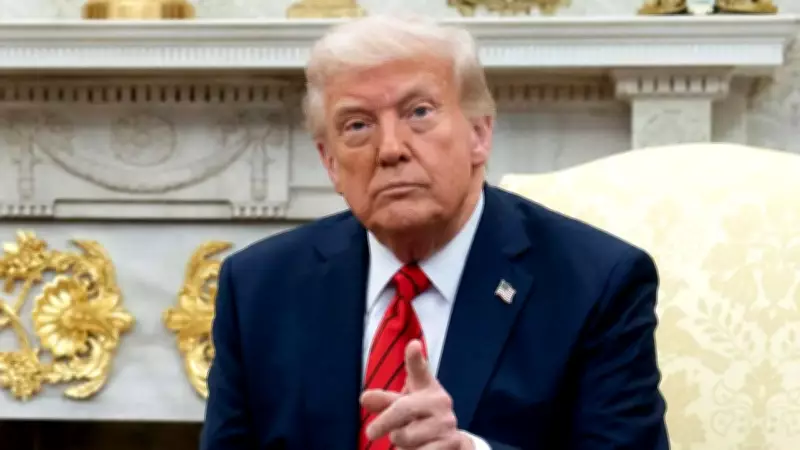
Trump Rejects Iran Ceasefire Response as Gulf Tensions Deepen
The US-Iran conflict has entered a critical phase as military escalation, diplomatic breakdowns, and rising tensions in the Strait of Hormuz continue to dominate global attention. US President Donald Trump rejected Iran’s latest ceasefire response sent through Pakistani mediators, calling it “TOTALLY UNACCEPTABLE!” while warning that Washington could resume major military action if negotiations collapse. Iran has sought a broader regional settlement, including an end to fighting in Lebanon and guarantees on maritime security, but the latest diplomatic efforts appear to have stalled.
At the United Nations, Iran sharply criticised a US-backed resolution on the Strait of Hormuz crisis, describing it as “politically motivated” and warning member states against supporting it. Tehran says the only real solution is ending the war, removing blockades, and restoring normal maritime transit. The Strait of Hormuz remains at the centre of the crisis, with repeated reports of drone attacks, ship fires, and security threats affecting one of the world’s most important energy corridors.
Israel Intensifies Operations in Lebanon
Israel has simultaneously expanded military operations in southern Lebanon, targeting positions allegedly linked to Hezbollah. Hezbollah claims it has responded with multiple attacks on Israeli positions despite ongoing ceasefire discussions. The conflict has widened regional instability, with Gulf nations reporting drone intrusions and maritime attacks raising fears of a broader war across West Asia.

Nuclear Sticking Point
Iran’s nuclear programme remains one of the biggest sticking points in negotiations. The International Atomic Energy Agency says Iran has accumulated highly enriched uranium nearing weapons-grade purity. Israeli Prime Minister Benjamin Netanyahu said the war cannot truly end unless Iran’s enriched uranium is removed from the country, while Iran insists its military is fully prepared to protect nuclear facilities from any attack or infiltration.
Global Powers Step In
Global powers have also stepped deeper into the crisis. Russian President Vladimir Putin said Moscow’s proposal to relocate Iran’s enriched uranium remains available, while France and Britain are discussing maritime security initiatives for the Gulf once hostilities ease. Iran has warned that any foreign military involvement in the Strait of Hormuz would face a strong response.
Market and Economic Impact
The continuing confrontation has shaken global markets, pushed up oil prices, and disrupted shipping operations in the Gulf region. Concerns are growing that any further escalation involving Iran, Israel, and the United States could trigger a wider regional conflict with serious economic and geopolitical consequences.
Key Developments on May 11, 2026
Netanyahu: Iran War 'Not Over' Without Uranium Removal
Israeli Prime Minister Benjamin Netanyahu told an American broadcaster that the war against Iran cannot be considered over until enriched uranium is removed from the country. “It's not over, because there's still nuclear material -- enriched uranium -- that has to be taken out of Iran. There's still enrichment sites that have to be dismantled,” Netanyahu said in an interview on CBS News’ “60 Minutes.” He claimed President Trump shared a similar position, though Trump’s public stance has been less explicit.
Trump Blames Obama and Biden for Iran Crisis
Donald Trump used social media to launch a blistering attack on former US presidents Barack Obama and Joe Biden, accusing them of strengthening Tehran through past nuclear agreements and financial arrangements. Trump claimed Iran had taken advantage of weak American leadership and funded attacks against US forces. The comments have added a domestic political dimension to the crisis, with Republicans supporting a tougher approach while critics warn of escalating rhetoric.

Iran Military on 'Full Readiness' to Protect Nuclear Sites
Iranian military officials said the country’s armed forces are on “full readiness” to protect nuclear facilities and uranium storage sites amid growing fears of possible US or Israeli attacks. Iranian military spokesperson Brig Gen Akrami Nia said authorities were concerned about infiltration operations or attempts to seize enriched uranium through military action. According to the IAEA, Iran possesses more than 440 kilograms of uranium enriched up to 60% purity, close to weapons-grade level.
Drone Attacks and Ship Fires Raise Gulf Conflict Fears
Several incidents involving drones and commercial ships have added to fears that the ongoing conflict could destabilise the entire Gulf region. A drone attack caused a small fire aboard a vessel near Qatar, while the United Arab Emirates said it intercepted two drones that entered its airspace and blamed Iran for the intrusion. Kuwait also reported unidentified drones entering its airspace. In another incident, a South Korean-operated vessel anchored in the Strait of Hormuz was struck by two unidentified objects, causing an explosion and fire onboard.
Israel Intensifies Lebanon Strikes; Hezbollah Claims Retaliation
Israeli warplanes launched fresh strikes across southern Lebanon, targeting locations described as Hezbollah infrastructure sites, including weapons storage facilities and command centres. Lebanon’s National News Agency reported casualties in multiple towns, including the death of a young girl. Hezbollah claimed responsibility for more than 20 retaliatory attacks on Israeli military positions. The escalation has raised concerns that the conflict could expand further beyond Gaza and Iran into a larger regional confrontation.
Global Reactions and Outlook
The crisis has triggered sharp reactions from global powers. Russian President Vladimir Putin said Moscow’s proposal to remove Iran’s enriched uranium remains on the table, while French President Emmanuel Macron said any future maritime security mission in the Gulf would not amount to a military deployment. The United States and Gulf allies continue to accuse Iran of threatening one of the world’s most important oil shipping routes. The crisis has already rattled global oil markets, raised shipping insurance costs, and intensified concerns over a broader conflict that could affect economies worldwide.
Stay with TOI for live updates on US-Iran tensions, Israeli military operations, diplomatic negotiations, attacks in the Gulf, Strait of Hormuz developments, nuclear concerns, and the latest reactions from world leaders.





