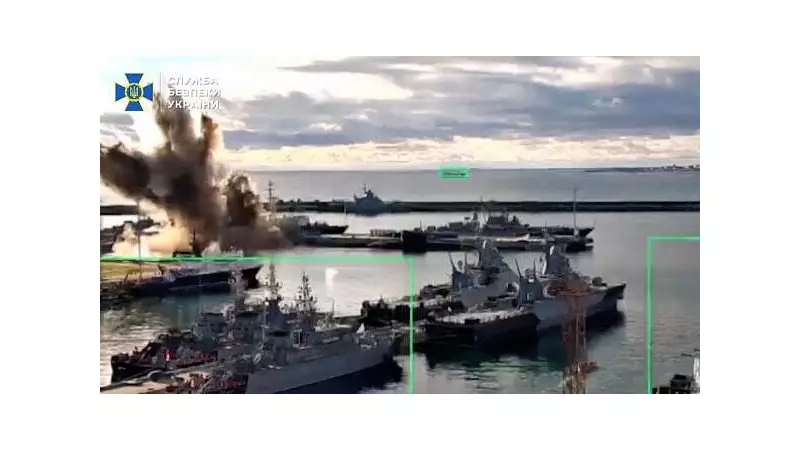
In a significant escalation of naval warfare tactics, Ukraine has reportedly struck a Russian submarine using an underwater drone. This marks the first known instance of such an attack in the ongoing conflict, showcasing Kyiv's innovative approach to challenging Russia's naval dominance despite its own limited fleet.
Details of the Historic Attack
The attack targeted a vessel belonging to Russia's formidable Black Sea Fleet. According to reports, the strike occurred near the occupied Crimean peninsula, a key strategic region for Moscow's maritime operations. The incident was reported on 15 December 2025, highlighting a continued and evolving threat to Russian naval assets in the region.
Ukraine, which has practically no traditional naval fleet left after years of conflict, has turned to asymmetric warfare. Its forces have increasingly relied on a combination of sea drones and missile attacks to harass the much larger Russian navy. This strategy aims to deny Russia safe haven and operational freedom in the Black Sea.

Strategic Impact on the Black Sea
The primary objective of Ukraine's persistent maritime campaign has been to dislodge the Russian Black Sea Fleet from its long-held perch in the port city of Sevastopol on the occupied Crimea peninsula. These attacks have forced Russia to reconsider its positioning and security, demonstrating that even without large warships, a determined adversary can project power at sea.
The use of an underwater drone represents a new and sophisticated chapter in this campaign. Unlike surface sea drones, underwater variants are harder to detect and intercept, posing a novel challenge to Russian naval defenses. This innovation underscores Ukraine's ability to adapt and develop new technologies to counter Russian military superiority.
Broader Implications and Future Outlook
This successful attack signals a potential shift in naval combat dynamics, where unmanned systems play an increasingly decisive role. The strike on the submarine is not just a tactical victory but also a psychological blow, proving that even submerged vessels are not immune to Ukraine's reach.
The ongoing harassment has achieved notable strategic effects:
- Forcing the Russian fleet to be more cautious and disperse its assets.
- Disrupting logistical and supply lines that rely on maritime routes.
- Boosting Ukrainian morale and demonstrating resilience to international allies.
As the conflict continues, the world will be watching to see how Russia adapts to this new underwater threat and whether Ukraine can sustain and expand this innovative form of naval pressure. The waters of the Black Sea remain a critical and fiercely contested battlefield.