

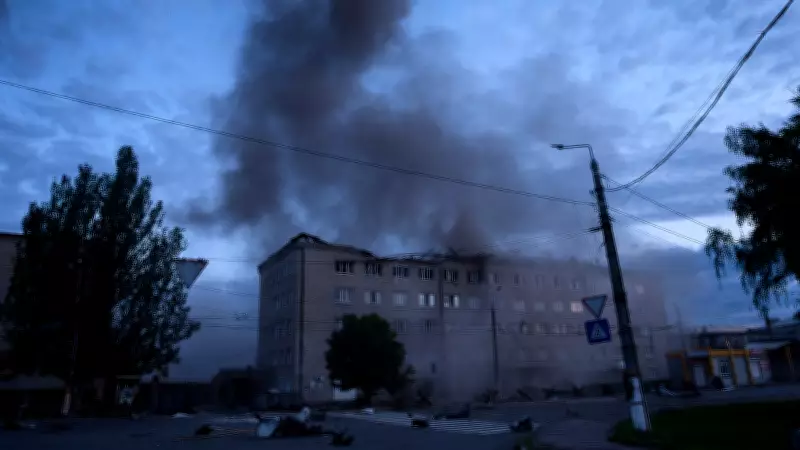
Ukraine's Peace Dilemma: Rising Support for Land Concessions to End War
In a profound shift reflecting the toll of a prolonged and devastating conflict, a growing segment of the Ukrainian population is now contemplating what was once deemed unthinkable: surrendering land to Russia in exchange for peace. This emerging sentiment underscores the complex and painful choices facing a nation that has fiercely defended its sovereignty since the full-scale invasion began in February 2022.
The Unthinkable Becomes a Topic of Discussion
For years, the idea of ceding any Ukrainian territory to Russia was met with near-universal rejection, viewed as a betrayal of national integrity and the sacrifices made by soldiers and civilians alike. However, as the war drags into its third year with no clear end in sight, public discourse is evolving. Recent surveys and anecdotal reports indicate that more Ukrainians are openly considering territorial concessions as a potential pathway to end the bloodshed and rebuild their shattered country.
This change in perspective is not uniform across Ukraine, with opinions often varying by region, exposure to frontline fighting, and personal loss. Yet, it marks a significant departure from the earlier consensus that prioritized military victory at all costs. The debate now centers on whether peace, even at the cost of land, might offer a more sustainable future for the nation.

Factors Driving the Shift in Public Opinion
Several key factors are contributing to this nuanced shift in Ukrainian public sentiment. First and foremost is the immense human cost of the war, with tens of thousands of casualties and widespread displacement creating a deep yearning for stability. The economic strain, including infrastructure damage and a struggling economy, further fuels desires for a resolution.
Additionally, the protracted nature of the conflict has led to war fatigue, with some citizens questioning the feasibility of reclaiming all occupied territories through military means alone. International support, while substantial, has not yet delivered a decisive breakthrough, leading to pragmatic reassessments of what peace might realistically entail.
It is crucial to note that this does not signify widespread acceptance of Russian aggression, but rather a painful recognition of the trade-offs involved in seeking an end to hostilities. Many Ukrainians remain steadfast in their support for continued resistance, highlighting the internal divisions and moral dilemmas at play.Implications for Peace Negotiations and National Unity
The growing consideration of land concessions has significant implications for Ukraine's political landscape and potential peace negotiations. It adds a new layer of complexity to diplomatic efforts, as leaders must balance public opinion with strategic interests and international alliances.
This internal debate also raises questions about national unity and the long-term social cohesion of Ukraine. How the government addresses these divergent views could shape the country's trajectory for decades to come, influencing everything from reconstruction efforts to geopolitical alignment.
As the world watches, the evolution of Ukrainian public opinion serves as a poignant reminder of the harsh realities of war and the difficult choices that emerge in its wake. Whether this trend leads to tangible policy shifts or remains a topic of discussion, it underscores the profound impact of the conflict on the Ukrainian psyche and the ongoing search for a path to peace.






