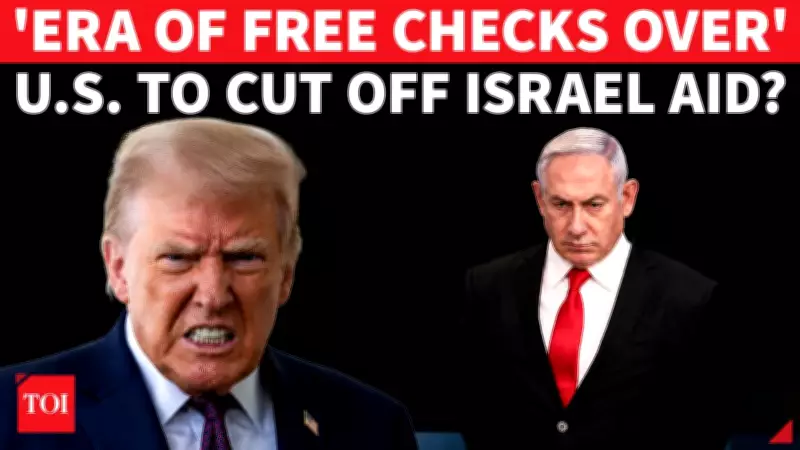
The decades-long paradigm of Washington writing blank military checks to Tel Aviv is officially grinding to a halt. In a historic legislative shockwave, a conservative congressional coalition has introduced H.Res. 1339 to completely phase out the traditional $3.8 billion annual U.S. military aid package. Far from a diplomatic split, this move is actively backed by Israeli Prime Minister Benjamin Netanyahu, who states that it is time for a self-sufficient Israel to graduate from 'aid recipient to superpower partner'. Watch how the balance of Middle Eastern defense spending is changing forever.
Key Details of the Proposed Legislation
H.Res. 1339, introduced by a coalition of conservative lawmakers, aims to gradually reduce and eventually eliminate the annual $3.8 billion military assistance that the United States has provided to Israel for decades. The bill reflects a shift in U.S. foreign policy towards encouraging allied self-reliance, particularly in volatile regions like the Middle East.
Netanyahu's Endorsement
In a surprising turn, Prime Minister Netanyahu has publicly supported the move, arguing that Israel's advanced defense industry and economic strength make continued aid unnecessary. He emphasized that Israel is ready to transition from being a recipient of aid to a full partner in regional security, potentially taking on greater responsibilities in defense collaboration with the U.S.

Impact on Middle East Defense Dynamics
The potential end of this aid package could reshape defense spending across the Middle East. Israel may increase its own defense budget, while neighboring countries might reassess their reliance on U.S. support. The move also signals a broader trend of the U.S. reducing direct financial commitments in favor of strategic partnerships.
This development comes amid heightened tensions in the region, including recent attacks on oil infrastructure in Oman, car bombings in Tel Aviv, and threats from Iran. The shift in U.S.-Israel relations could alter the balance of power and influence future diplomatic and military engagements.