US Embassy in Riyadh Targeted in Drone Attack as Regional Conflict Intensifies
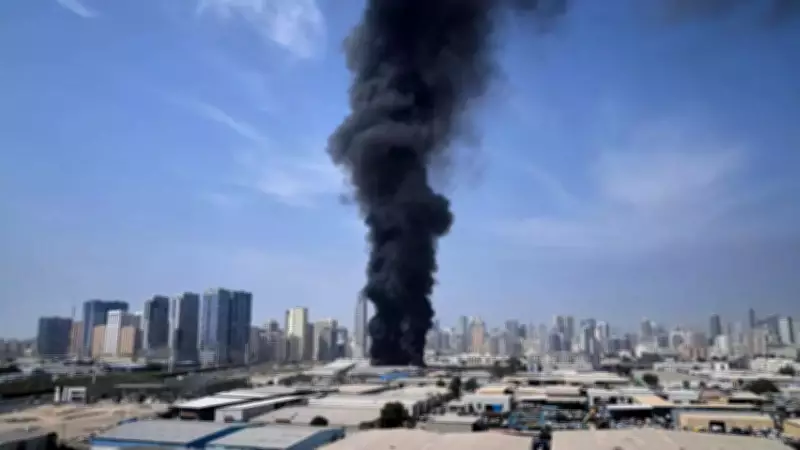
Tensions across West Asia remained critically high on Tuesday following a drone strike on the United States embassy in Riyadh during the early morning hours. Saudi authorities confirmed that the attack resulted in a small fire and caused minor structural damage to the diplomatic mission. Residents reported hearing loud explosions in the Saudi capital, underscoring the severity of the incident.
Escalating Military Operations and Retaliatory Strikes
This assault occurred amid a broader wave of retaliatory attacks launched by Iran across the Gulf region. These actions come in direct response to joint US-Israeli military operations inside Iran, which tragically resulted in the death of Iran's supreme leader, Ayatollah Ali Khamenei. The Pentagon has officially designated this military campaign as "Operation Epic Fury."
US President Donald Trump has issued a stark warning, indicating that the conflict could persist for four weeks or potentially longer, with threats of additional strikes looming. The conflict, which ignited over the weekend, has rapidly spread across multiple countries, with missile and drone attacks being reported in various parts of the region. According to the US-based Human Rights Activists News Agency (HRANA), the civilian toll in Iran has surpassed 700 fatalities since hostilities began, including 176 children, with hundreds more injured.

Trump's Assertion of Military Readiness and Embassy Attack Details
In a statement on Truth Social, President Trump emphasized America's military preparedness, claiming that munitions stockpiles at "medium and upper medium grade" have "never been higher or better." He asserted that the United States possesses a "virtually unlimited supply" of such weapons and controversially stated, "Wars can be fought 'forever,' and very successfully, using just these supplies." Trump also signaled that the US would retaliate for the embassy attack, ominously noting, "If action is not taken now, it may never be possible in the future. You'll soon find out."
Saudi Arabia's defence ministry provided specific details, confirming that two drones struck the US diplomatic mission. A ministry spokesperson stated that preliminary assessments verified the embassy was the intended target, resulting in limited fire and minor material damage. Additionally, Saudi forces reported intercepting and destroying eight drones near Riyadh and Al Kharj.
Israeli Justifications and Broader Regional Implications
Israeli Prime Minister Benjamin Netanyahu defended the urgency of the attacks on Iran, claiming that Iran had begun constructing underground bunkers designed to shield its nuclear and missile programs from air strikes within months. "If no action was taken now, no action could be taken in the future," Netanyahu argued in an interview with Fox News. He further accused Iran of decades of hostility, including attempts to assassinate Trump and spreading global terror.
Israeli military spokesperson Avichay Adraee announced that Israeli fighter jets have targeted Iran's air defence systems and missile launch platforms. Concurrently, United States Central Command (CENTCOM) reported destroying facilities belonging to the Islamic Revolutionary Guard Corps, including command centres and launch sites, pledging continued "decisive action" against perceived threats.
Diplomatic Reactions and Economic Consequences
Iran's Foreign Minister Abbas Araghchi sharply criticized the US, accusing it of entering a "war of choice" on behalf of Israel. He asserted that there was never a genuine Iranian threat and placed blame on "Israel Firsters" for the bloodshed. The conflict's expansion is evident as Israel issued evacuation warnings to residents in at least 59 locations across Lebanon, citing alleged Hezbollah activity.

The economic impact is already being felt, with oil prices climbing for a third consecutive day due to fears of supply disruption through the critical Strait of Hormuz. Brent crude surpassed $79 per barrel as markets reacted to the escalating situation. Analysts warn that with no quick de-escalation in sight and Iran targeting regional energy infrastructure, upside risks to oil prices continue to grow the longer the conflict persists.
The widening conflict raises profound concerns about a prolonged war and significant disruptions to global oil supplies, marking a dangerous new chapter in West Asian geopolitics.