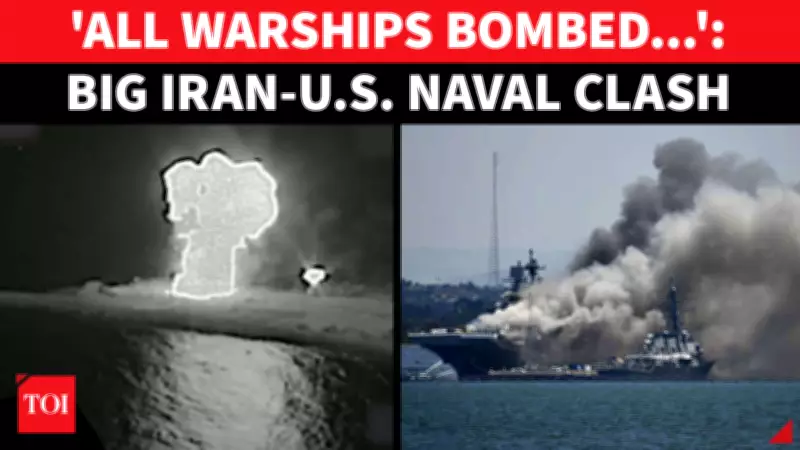
US-Iran Naval Conflict Intensifies in Gulf of Oman
American military forces have executed a significant naval strike targeting Iranian warships in the Gulf of Oman, as part of escalating U.S. military operations against assets belonging to Tehran. According to statements from CENTCOM and allied sources, Iranian vessels have been both sunk and damaged in these recent engagements, representing one of the most direct maritime confrontations between the United States and Iran in several decades.
Multi-Front Escalation Unfolds
This naval clash is occurring concurrently with ongoing cross-region strikes and counter-strikes, indicating a broadening conflict. In a related development, an Iran-linked drone strike impacted an area near U.S. personnel stationed in Manama, further contributing to the multi-front escalation that is now unfolding from land to sea. The situation underscores the volatile nature of current tensions in the region.
Urgent Advisories Issued Amid Spiking Tensions
In response to the rapidly deteriorating security environment, the U.S. State Department has issued urgent advisories for American citizens currently in Iran and across the wider Middle Eastern region. These warnings highlight the serious risks as hostilities continue to spiral, with no immediate signs of de-escalation. The advisories urge heightened caution and preparedness for potential further military actions or retaliatory measures.

The confrontation marks a critical juncture in US-Iran relations, with the naval engagement in the Gulf of Oman being particularly notable for its scale and directness. Analysts suggest that such incidents could precipitate wider regional instability, affecting international shipping lanes and global energy markets. The involvement of CENTCOM points to a coordinated military response, while the drone attack in Manama illustrates the asymmetric tactics being employed.
As tensions mount, the international community watches closely, concerned about the potential for further escalation into a broader conflict. The recent events follow a pattern of increased military posturing and actions by both nations, raising alarms about the security of the Persian Gulf and surrounding areas. The situation remains fluid, with developments being monitored by defense officials worldwide.