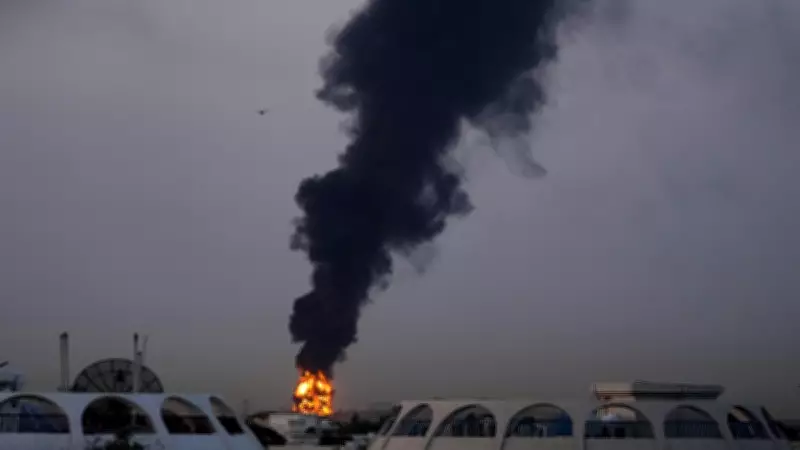
U.S. and Israel Thwart Major Drone and Missile Assault from Iran
In a significant escalation of hostilities in the Middle East, the United States and Israel have successfully intercepted a coordinated drone and missile attack launched by Iran. This incident marks a dangerous new phase in the ongoing regional tensions, with immediate implications for global security and energy markets.
Details of the Intercepted Attacks
According to military sources, the attacks involved multiple unmanned aerial vehicles (drones) and ballistic missiles targeting strategic locations. U.S. defense systems, in collaboration with Israeli forces, detected and neutralized the threats before they could cause significant damage. The precise number of intercepts and the specific targets remain under investigation, but initial reports suggest the assaults were aimed at military and infrastructure sites in Israel and U.S. assets in the region.
The timing of these attacks is particularly alarming, coming amid heightened diplomatic strains and previous skirmishes between Iran and its adversaries. Analysts note that this represents one of the most direct confrontations in recent years, raising fears of a broader conflict.

Impact on the Strait of Hormuz and Global Energy Markets
The Strait of Hormuz, a critical chokepoint for global oil and gas shipments, is now under increased scrutiny. Security in this vital waterway has been a persistent concern, and the latest attacks have prompted warnings of potential disruptions to energy supplies. Oil prices have already shown volatility in response to the news, with traders anticipating possible supply chain interruptions.
Industry experts emphasize that any sustained conflict in the region could lead to significant spikes in fuel costs worldwide, affecting economies already grappling with inflationary pressures. The U.S. and its allies are reportedly bolstering naval patrols in the area to ensure safe passage for commercial vessels.
Political Reactions and International Diplomacy
In the wake of the attacks, political leaders have issued strong statements. Former U.S. President Donald Trump and Israeli Prime Minister Benjamin Netanyahu have both condemned Iran's actions, calling for a firm response. The current U.S. administration is coordinating with international partners to de-escalate the situation, but options are limited given the complex geopolitical landscape.
Key developments include:
- Emergency meetings at the United Nations to address the crisis.
- Calls for renewed sanctions on Iran from Western nations.
- Efforts by regional powers like the UAE and Saudi Arabia to mediate and prevent further escalation.
Broader Implications for West Asia and Beyond
This incident underscores the fragile state of affairs in West Asia, where proxy conflicts and direct military engagements have become increasingly common. The involvement of major global powers like the U.S. adds a layer of complexity, with potential ramifications for international alliances and security protocols.
Looking ahead, the focus will be on whether diplomatic channels can prevail or if retaliatory measures will trigger a wider war. The world watches closely as events unfold, with the hope that cooler heads will prevail to avoid a catastrophic regional conflict.