US-Israel-Iran Conflict Intensifies with Drone and Missile Strikes
The geopolitical landscape of the Middle East is witnessing a severe escalation as the United States, Israel, and Iran engage in a series of drone and missile attacks. This conflict has triggered widespread alarm across the region, with explosions reported in key locations including Dubai, the United Arab Emirates (UAE), Qatar, and Tehran. The situation remains fluid, with live updates indicating ongoing hostilities that threaten to destabilize the Gulf area and beyond.
Details of the Attacks and Regional Impact
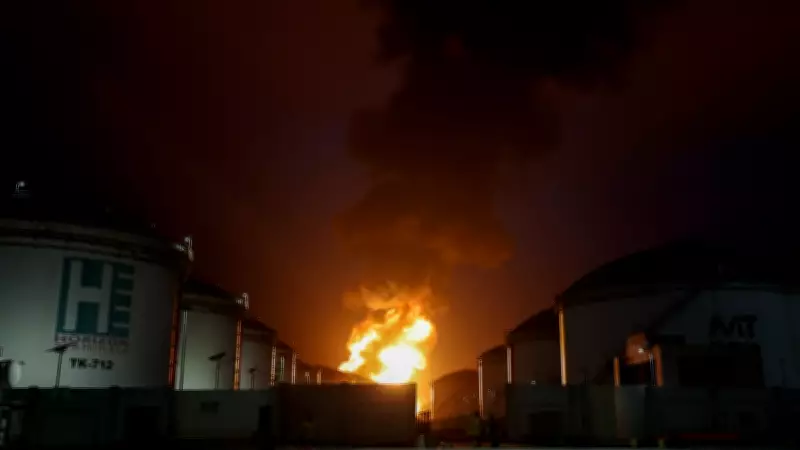
According to recent reports, drone and missile strikes have been launched by various parties involved in the conflict. Explosions have been heard in Dubai, a major global hub, as well as in the UAE and Qatar, both of which are significant players in the Middle East. In Tehran, Iran's capital, there have been reports of similar attacks, highlighting the direct involvement of Iranian forces. The Gulf region, a critical zone for international trade and energy resources, is now on high alert due to these developments.
Key figures in the conflict include former US President Donald Trump, Israeli Prime Minister Benjamin Netanyahu, and Iranian Supreme Leader Ayatollah Ali Khamenei, whose policies and actions have contributed to the current tensions. The involvement of these leaders underscores the deep-seated political and ideological divides fueling the hostilities.

Global Reactions and Concerns
The international community is closely monitoring the situation, with concerns mounting over the potential for a broader war. The Middle East conflict has already led to disruptions in regional stability, and further escalation could have far-reaching consequences for global security and economy. Diplomatic efforts are underway to de-escalate the crisis, but the rapid pace of attacks complicates these initiatives.
Live updates from the ground suggest that the conflict is dynamic, with new incidents reported regularly. Authorities in affected countries are assessing the damage and coordinating responses to ensure public safety. The use of drones and missiles in these attacks points to advanced military capabilities being deployed, raising stakes in an already volatile region.
Historical Context and Future Implications
This latest flare-up is rooted in longstanding animosities between the US, Israel, and Iran, often centered on issues such as nuclear proliferation, regional influence, and security threats. The current drone and missile exchanges represent a significant intensification of these tensions, with potential implications for:
- Regional alliances: Countries in the Middle East may realign their strategies based on the outcome of this conflict.
- Global markets: Oil prices and trade routes could be affected by instability in the Gulf.
- International diplomacy: Efforts to negotiate peace deals or sanctions may be influenced by the ongoing hostilities.
As the situation evolves, stakeholders worldwide are urging restraint and dialogue to prevent further violence. The Middle East conflict remains a critical issue on the global agenda, with its resolution pivotal for regional and international peace.