

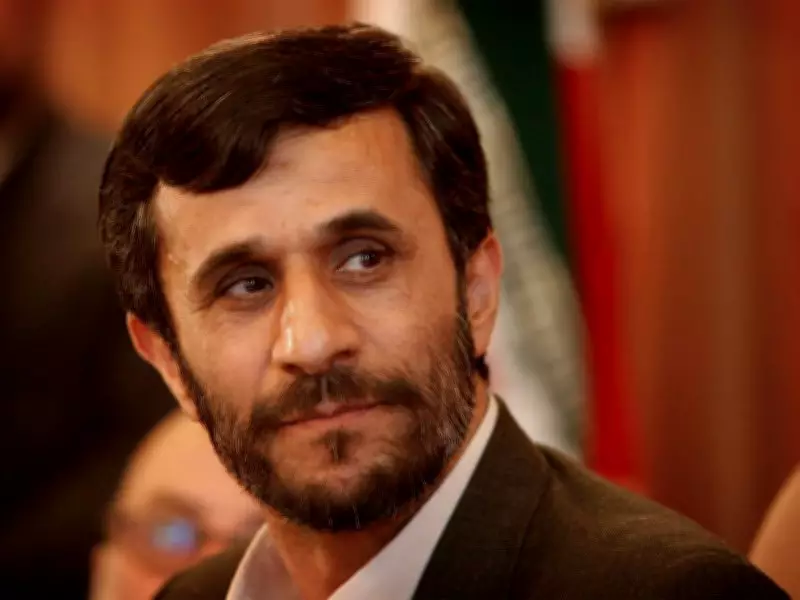
A recently leaked report has unveiled an alleged joint US-Israeli plan to install a hardliner as the next president of Iran following a potential strike on Supreme Leader Ayatollah Ali Khamenei. The revelation has sparked widespread concern and criticism, highlighting the volatile geopolitical dynamics in the Middle East.
Details of the Alleged Plan
According to the report, the plan involves covert operations aimed at destabilizing the current Iranian regime. The objective is to replace Khamenei with a figure who would align more closely with US and Israeli interests in the region. The hardliner candidate, whose identity remains undisclosed, is said to have ties to opposition groups and has been cultivated over years through diplomatic and intelligence channels.
Reactions and Implications
The leaked information has drawn sharp reactions from Iranian officials, who denounced it as an act of aggression and interference in their internal affairs. Meanwhile, analysts warn that such a plan could escalate tensions, potentially leading to a broader conflict. The United States and Israel have neither confirmed nor denied the allegations, but the report has added fuel to ongoing debates about their foreign policies in the Middle East.

The plan reportedly includes economic sanctions, cyber warfare, and support for dissident movements to weaken the current government. It also outlines a timeline for action, contingent on a successful strike against Khamenei, which itself would be a highly provocative move.
Strategic Context
This development comes amid heightened US-Iran tensions over Iran's nuclear program and its influence in regional conflicts. Israel has long viewed Iran as an existential threat and has advocated for a tougher stance. The leaked plan suggests a willingness to take drastic measures to reshape Iran's leadership, raising questions about the legality and morality of such interventions.
International observers have called for restraint and dialogue, emphasizing the need to respect Iran's sovereignty. The United Nations has urged all parties to avoid actions that could destabilize the region further. As the story unfolds, the world watches closely to see how Iran and its allies will respond to these startling revelations.






