

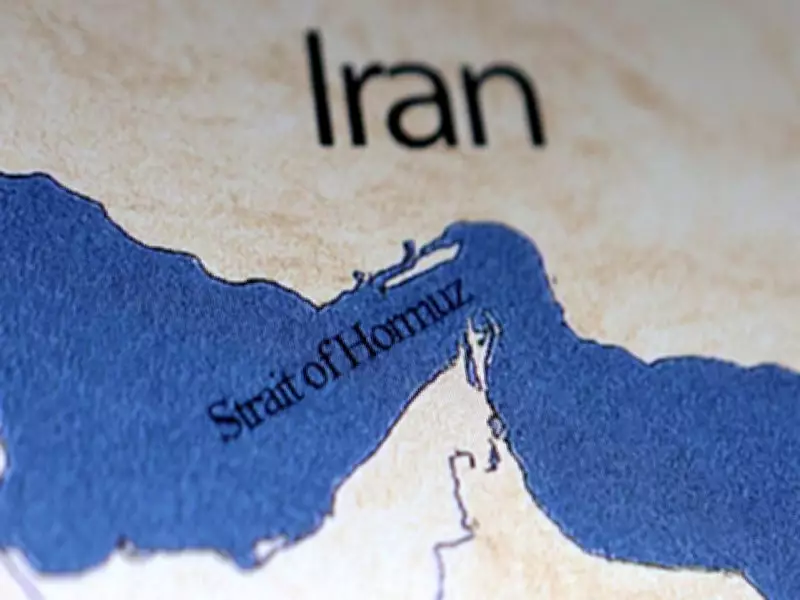
US Navy to Maintain Blockade of Iranian Ports Despite Hormuz Opening
The United States Navy has announced that it will continue its blockade of Iranian ports, a move that comes even as the strategic Strait of Hormuz has reopened for maritime traffic. This decision underscores the escalating tensions between the two nations and highlights the complex geopolitical dynamics at play in the Middle East.
Background on the Strait of Hormuz
The Strait of Hormuz is a critical chokepoint for global oil shipments, with approximately one-fifth of the world's petroleum passing through its narrow waters. Its recent reopening had raised hopes for a de-escalation in regional conflicts, but the US Navy's continued blockade of Iranian ports suggests a hardening stance. This blockade is part of broader US efforts to exert pressure on Iran over various issues, including nuclear proliferation and regional influence.
Implications of the Continued Blockade
The persistence of the US Navy's blockade is expected to have significant repercussions. Economically, it could disrupt Iran's trade and oil exports, further straining its already beleaguered economy. Diplomatically, this move is likely to exacerbate tensions with Iran and its allies, potentially leading to increased instability in the region. Moreover, the blockade may impact global energy markets, as any disruption in the area can lead to fluctuations in oil prices.

Regional and Global Reactions
Reactions to the US Navy's decision have been mixed. Some regional powers have expressed support for the blockade, viewing it as a necessary measure to curb Iranian ambitions. However, other nations and international organizations have raised concerns about the potential for conflict escalation. The situation remains fluid, with ongoing diplomatic efforts to address the underlying issues.
Future Outlook
Looking ahead, the continuation of the US Navy blockade of Iranian ports, despite the reopening of the Strait of Hormuz, signals a prolonged period of geopolitical tension. Key factors to watch include:
- Iran's response: Whether Iran will seek to challenge the blockade through military or diplomatic means.
- International diplomacy: Efforts by global powers to mediate and reduce tensions.
- Economic impact: How the blockade affects Iran's economy and global energy supplies.
In summary, the US Navy's decision to maintain its blockade of Iranian ports, even with the Strait of Hormuz now open, highlights the ongoing strategic confrontations in the Middle East. This development is poised to shape regional politics and international relations in the coming months.






