US Official Issues Stark Warning to Iran Over Regional Activities
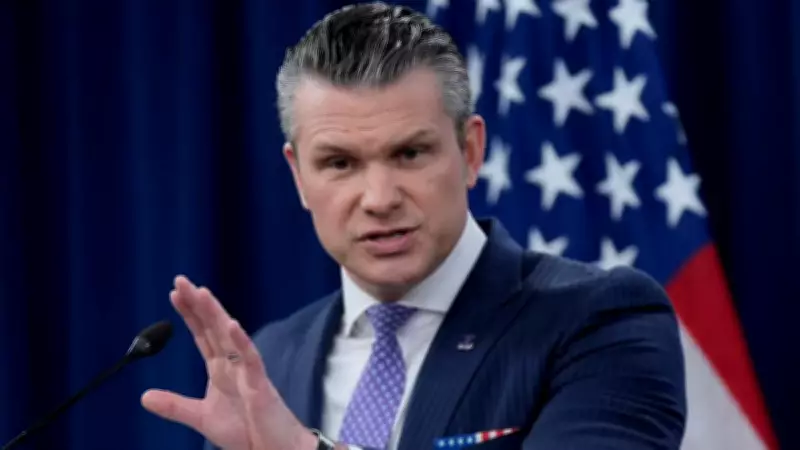
In a significant escalation of rhetoric, a senior US official has delivered a fresh and direct warning to Iran, emphasizing that the United States is prepared to take decisive action if Tehran does not alter its course. The statement, made by Pete Hegseth, a prominent commentator and former military officer, underscores the growing tensions between the two nations.
'If Iran Is Not Willing, We Will' – A Clear Ultimatum
Pete Hegseth explicitly stated, 'If Iran is not willing, we will', leaving little room for ambiguity regarding US intentions. This phrase serves as a stark ultimatum, suggesting that diplomatic efforts may be nearing their limits. The warning comes amid ongoing concerns about Iran's nuclear program, support for proxy groups, and regional destabilization activities.
Big Hint on Potential Ground Offensive
More alarmingly, Hegseth's remarks included a big hint at the possibility of a ground offensive. While not explicitly confirming military plans, the implication is that the US is considering more aggressive measures beyond airstrikes or sanctions. This marks a potential shift in strategy, as ground operations would represent a significant escalation in the long-standing conflict.

The context for this warning is multifaceted:
- Regional Proxy Conflicts: Iran's backing of groups in countries like Syria, Yemen, and Iraq has been a persistent flashpoint.
- Nuclear Deal Stalemate: Stalled negotiations over the Iran nuclear deal have heightened fears of proliferation.
- Recent Military Posturing: Both nations have engaged in military drills and deployments, raising the risk of miscalculation.
Implications for International Diplomacy and Security
This warning could have far-reaching consequences for global diplomacy and security in the Middle East. It signals that the US is losing patience with Iran's actions and is willing to consider all options, including military force. Analysts note that such rhetoric often precedes policy shifts, potentially leading to increased troop deployments or covert operations.
Key points to consider:
- Escalation Risk: A ground offensive would likely provoke a strong response from Iran and its allies, risking a broader regional war.
- Alliance Dynamics: US allies in the region, such as Israel and Saudi Arabia, may view this as a positive step, while European partners could urge caution.
- Domestic Political Factors: In the US, this stance may resonate with hawkish factions but could face opposition from those advocating for diplomacy.
As tensions simmer, the international community watches closely, hoping for de-escalation but preparing for potential conflict. The coming weeks will be critical in determining whether this warning leads to dialogue or further confrontation.