

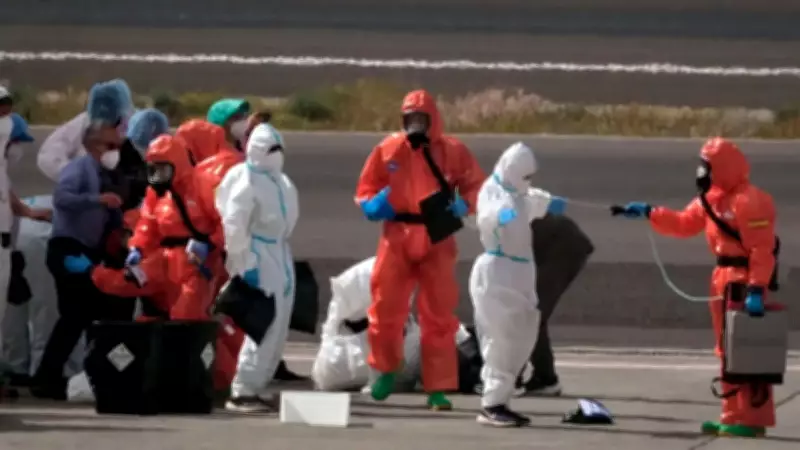
Health officials in Wales are closely monitoring a number of local residents who may have been exposed to hantavirus following the recent outbreak on the MV Hondius cruise ship. This incident has made international headlines, with at least three deaths and quarantines spanning multiple countries. Public Health Wales and the UK Health Security Agency (UKHSA) have confirmed that individuals linked to Wales, including passengers and those who had close contact with people from the ship, are being observed as a precautionary measure. Authorities emphasize that the broader public risk remains very low, but the involvement of the rare Andes strain, which can occasionally transmit between humans, has prompted increased surveillance and collaboration with international health teams.
Hantavirus Outbreak: How Did This Start?
The MV Hondius outbreak is one of the most closely monitored disease incidents of 2026. According to AP News, the ship, operated by Oceanwide Expeditions, traveled from Argentina through Antarctica and the South Atlantic. Several passengers became seriously ill with respiratory symptoms. By May, cases were confirmed, and contact tracing efforts began globally. The World Health Organization reports at least 11 cases linked to the ship, with eight confirmed infections and three deaths. The strain involved is the Andes virus, which is unusual because it is the only hantavirus known to spread from person to person, though transmission requires prolonged close contact.
Transmission and Risk Factors
Hantaviruses typically spread through contact with infected rodents' urine, droppings, or saliva. However, the Andes strain can be transmitted between humans in settings with extended close interaction, such as shared cabins on a cruise ship. The MV Hondius carried 147 passengers and crew members. Health agencies suspect that some passengers contracted the virus during wildlife excursions in South America, where hantavirus is common among rodents, with limited onboard spread thereafter. After disembarkation, contact tracing spanned Europe, North America, Australia, and Africa, with governments in the UK, Australia, Ireland, Singapore, France, and the US monitoring or quarantining returning passengers.

Why and How Is Wales Involved?
According to the BBC, some British passengers were initially sent to Arrowe Park Hospital in Merseyside and later continued isolation at home after testing negative and remaining healthy. Welsh health officials are now monitoring individuals who may have been exposed, though exact numbers and locations have not been disclosed. Those at risk are being contacted personally and provided with advice on symptoms, isolation, and testing. Similar precautionary measures are being implemented in Scotland and other parts of the UK.
Hantavirus Symptoms: What to Watch For
Hantavirus symptoms can initially resemble those of common viral infections, including fever, fatigue, chills, headache, muscle aches, nausea, vomiting, abdominal pain, and dizziness. In severe cases, symptoms can escalate rapidly to include severe coughing, shortness of breath, fluid in the lungs, and difficulty breathing. The most serious complication is hantavirus pulmonary syndrome (HPS), which affects the lungs and heart. Symptoms typically appear one to eight weeks after exposure, prompting health authorities to recommend monitoring for six weeks (up to 42 to 45 days) for anyone who has had close contact with an infected individual. Doctors urge anyone linked to the cruise or their close contacts to seek medical help immediately if they develop flu-like symptoms or breathing difficulties. For the general public, the risk of infection through casual contact is extremely low.

What Is Next?
The UKHSA continues to emphasize that the risk to the public is extremely low, with no current evidence of widespread transmission in Britain. Hantavirus outbreaks are rare globally; the virus family first gained attention during the Korean War and later appeared in the US in the 1990s. Different strains exist with varying symptoms and severity. The Andes strain is primarily found in Argentina and Chile. Investigators believe the cruise ship outbreak originated from passengers engaging in birdwatching or wildlife treks near rodent hotspots in South America, with the first infected passenger possibly contracting the virus before boarding or during excursions. The MV Hondius has become a symbol of post-pandemic travel anxiety, having been locked down and denied port entry, with passengers frightened and isolated. Despite heightened attention, epidemiologists do not expect a global outbreak. The WHO, ECDC, and UK officials still rate the risk as low, as hantavirus is difficult to transmit compared to viruses like COVID-19. However, health teams worldwide are monitoring hundreds of contacts, awaiting potential cases during the long incubation period. For those in Wales and elsewhere under monitoring, this will involve symptom checks, isolation, and repeat testing until the danger subsides.





