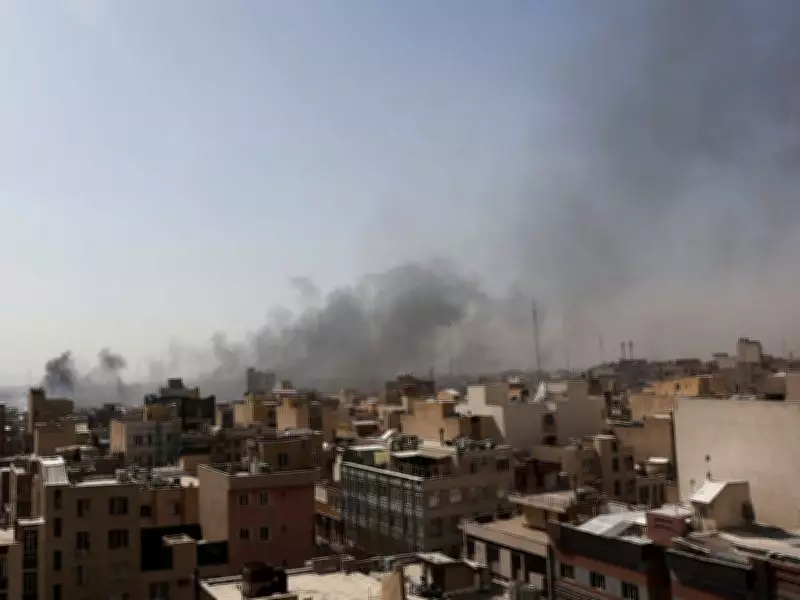
West Asia Conflict Intensifies with Multiple Attacks Across Region
The ongoing conflict in West Asia has escalated dramatically with a series of coordinated and isolated incidents targeting key locations. A pro-Iran militant group launched a significant attack on a hotel in Erbil, Iraq, while Saudi Arabia successfully intercepted hostile drones. Simultaneously, Israel conducted precision strikes against Hezbollah positions in Lebanon, further inflaming regional tensions.
Pro-Iran Group Targets Erbil Hotel in Bold Assault
In a brazen move that underscores the expanding scope of the conflict, a pro-Iran armed faction carried out a direct assault on a hotel located in Erbil, the capital of Iraq's Kurdistan region. This attack represents a clear escalation in tactics, as such groups typically avoid high-profile civilian targets. The hotel, which often hosts foreign diplomats and business personnel, sustained considerable damage, though initial reports suggest casualties were minimized due to swift security responses.
Security analysts indicate that this strike is likely a retaliatory measure linked to broader geopolitical rivalries involving Iran and its adversaries. The choice of Erbil, a relatively stable area, signals an intent to disrupt regional stability and project power beyond traditional conflict zones.

Saudi Arabia Intercepts Hostile Drones Amid Rising Threats
Meanwhile, Saudi Arabian defense forces successfully intercepted and neutralized multiple drones that were attempting to penetrate its airspace. These drones, believed to be launched by Houthi rebels in Yemen who are backed by Iran, were targeting critical infrastructure in the kingdom's southern regions. The interception highlights the persistent aerial threats faced by Saudi Arabia and its ongoing efforts to bolster its air defense capabilities.
This incident marks another chapter in the long-standing proxy war between Saudi Arabia and Iran, with drone attacks becoming a frequent tool of asymmetric warfare. The successful defense operation prevented potential damage and casualties, but it underscores the volatile security environment in the Gulf.
Israel Strikes Hezbollah in Lebanon as Cross-Border Tensions Flare
Adding to the regional turmoil, Israel conducted targeted military strikes against Hezbollah facilities in Lebanon. These operations were in response to recent provocations and rocket fire from Hezbollah, which is a key Iranian proxy in the region. The strikes aimed at degrading Hezbollah's military infrastructure and deterring further aggression along the Israel-Lebanon border.
The escalation between Israel and Hezbollah is particularly concerning, as it risks sparking a broader confrontation that could draw in other regional actors. Both sides have engaged in periodic clashes, but the current intensity suggests a potential for sustained conflict.
Implications for Regional Stability and International Diplomacy
The convergence of these attacks across West Asia points to a highly coordinated or coincidentally timed escalation that threatens to destabilize the entire region. Key implications include:
- Increased Risk of Wider War: The involvement of multiple state and non-state actors raises the likelihood of a broader regional conflict.
- Humanitarian Concerns: Civilian areas are increasingly becoming targets, leading to potential displacement and casualties.
- Diplomatic Strain: International efforts to mediate peace are being undermined by these violent incidents.
- Economic Impact: Persistent instability could disrupt oil supplies and trade routes, affecting global markets.
As the situation develops, global powers are closely monitoring these events, with calls for de-escalation and renewed diplomatic initiatives. However, the deep-seated rivalries and proxy dynamics suggest that the conflict may continue to intensify in the coming days.