

Football as a Cultural Mirror
Football reflects the unique identity of communities worldwide, though globalization and coaching standards are diluting traditional styles. The FIFA World Cup 2026 will showcase this tension, as teams adapt to homogenized tactics while striving to preserve their distinct footballing heritage.
World Cup as a Global Bridge
The tournament fosters cultural exchange, uniting fans across nations and breaking down barriers through shared passion. From African drumbeats to Latin American chants, the World Cup creates a melting pot of traditions, promoting mutual understanding and respect.
Political and Historical Lens
The World Cup serves as a platform for learning about geopolitics, colonial struggles, and national histories through football. For instance, the 2010 tournament in South Africa highlighted the nation's post-apartheid rise, while Qatar's 2022 edition sparked debates on labor rights and cultural transformation.

Host Nations' Soft Power
Host countries leverage the World Cup to reshape international perceptions. Qatar's 2022 tournament showcased its cultural evolution, while the 2026 edition, co-hosted by the USA, Canada, and Mexico, will highlight North American diversity. South Africa's 2010 event symbolized unity after apartheid, demonstrating sport's power to rebrand nations.
Fan-Driven Unity
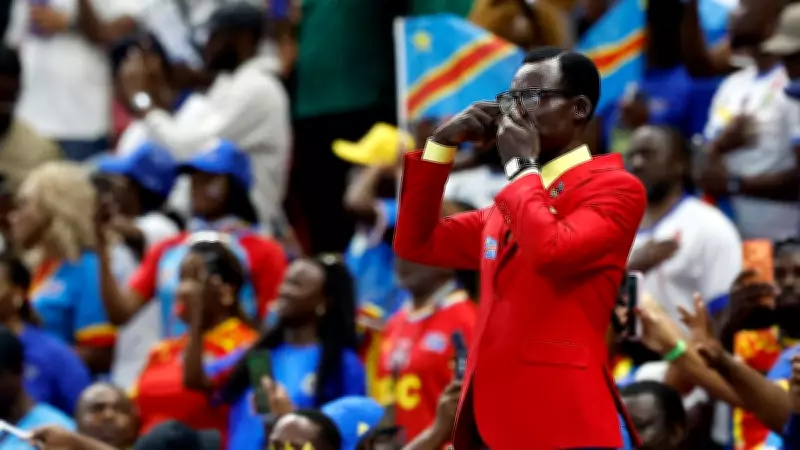
Fans transcend borders, creating moments of camaraderie. Scottish bagpipe anthems at matches or friendships between South Korean and Mexican supporters exemplify this bond. Congo superfan, with over 16.5 million Instagram followers, embodies how individuals can unite global audiences through passion for the game.
Scotland returns after 36 years, adding to the tournament's narrative of redemption and nostalgia. The 2026 World Cup will not only decide a champion but also serve as a stage for cultural diplomacy, political discourse, and shared humanity, despite ongoing controversies over human rights and commercialization.






