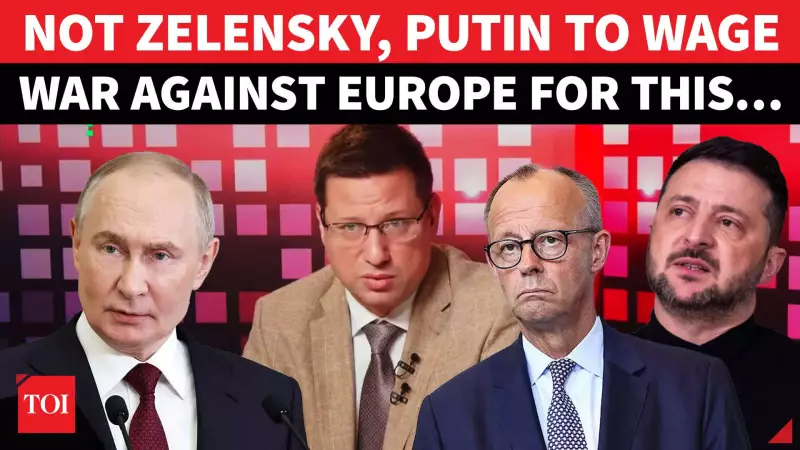
In a dramatic and stark warning, a top Hungarian official has accused European Union leaders of actions that could lead to a Third World War. The explosive comments target the bloc's strategy towards the ongoing conflict in Ukraine.
Hungary's Stark Warning to Europe
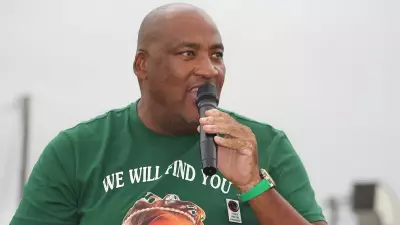
Gergely Gulyas, the minister leading the Hungarian Prime Minister's Office, issued a shocking declaration. He stated that the current approach of European leaders is not only prolonging the war between Ukraine and Russia but is also dangerously increasing the risk of a much wider, global confrontation. Gulyas specifically pointed to Europe's management of frozen Russian assets and its overall handling of the Ukraine crisis as key factors that could inadvertently extend the fighting.
Diplomatic Moves Amid Rising Tensions
The Hungarian leader's remarks come at a critical diplomatic moment. Ukrainian President Volodymyr Zelensky recently held meetings in Berlin with US special envoy Steve Witkoff and Donald Trump's son-in-law, Jared Kushner. These talks occurred as Kyiv faces significant pressure from Washington to agree to a peace deal brokered by the United States.

Furthermore, President Zelensky's schedule includes planned meetings with the German Chancellor and other heads of state from European nations. This flurry of diplomatic activity highlights the intense international efforts to find a resolution to the war, even as sharp disagreements over strategy emerge between EU member states.
The Core of the Controversy
Gulyas's comments represent the most severe criticism yet from a European capital regarding the EU's united front on Ukraine. He went so far as to suggest that the German government's stance effectively amounts to a 'We Want War' pitch, exposing a deep fracture within the European Union. Hungary, under Prime Minister Viktor Orban, has consistently advocated for an immediate ceasefire and peace negotiations, positioning itself at odds with the majority of EU nations that support continued military aid to Ukraine.
The allegation that EU policies are inviting a global conflict underscores the high-stakes geopolitical gamble surrounding the war. It reflects growing fears that the conflict could escalate beyond Ukraine's borders, drawing in NATO and other global powers with catastrophic consequences.
This public condemnation from a sitting EU minister signals a significant and potentially damaging rift within the bloc. It raises serious questions about the unity and long-term strategy of Europe as it navigates its most severe security crisis in decades.